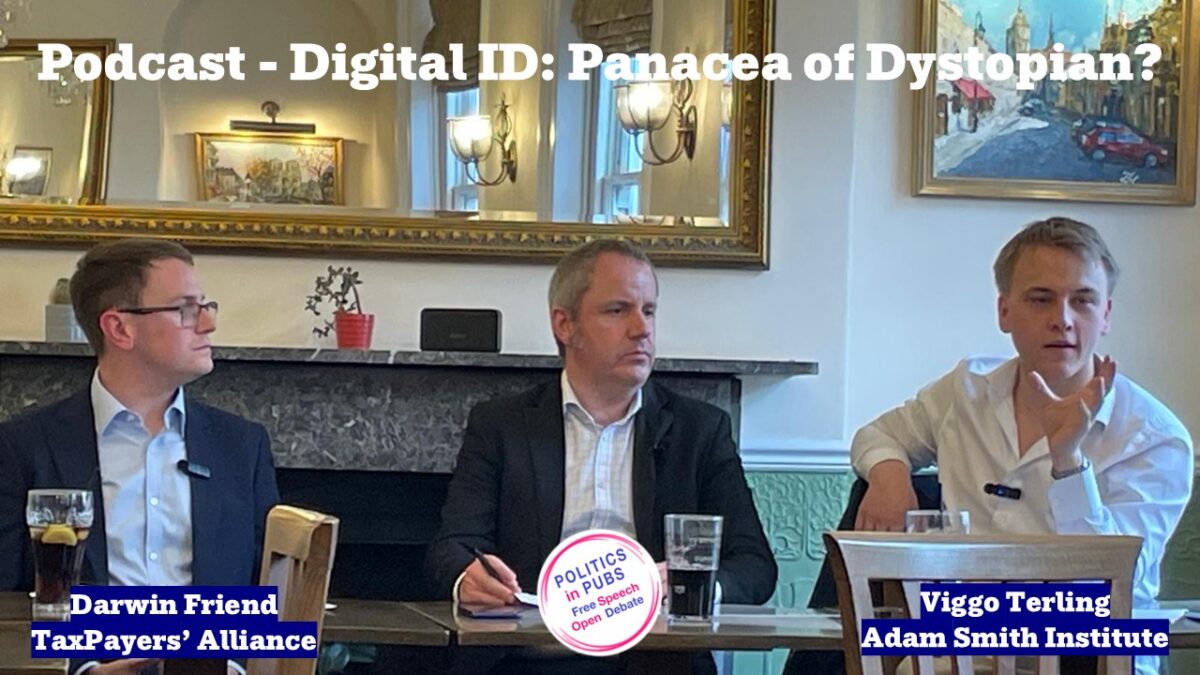
At the Politics in Pubs Central London event we were joined by Viggo Terling of the Adam Smith Institute, and Darwin Friend of the TaxPayers’ Alliance, for a discussion about Digital ID and whether it will prove to be a panacea or a dystopia, and what if anything we can do about it.
Visit Politics in Pubs at https://politicsinpubs.org.uk/ for more on their events in London and beyond. We also have a brief write up of this event below.
Mixed Panacea and Dystopia: Digital ID – Politics in Pubs in London
The discussion centred on whether a UK digital ID system would be a productivity-boosting modernisation or a costly, trust-eroding government overreach. The timing of the event allowed it to be framed against the day’s news of the proposed under-16 social media ban (requiring age verification) and broader concerns about data, trust, and liberty.
Viggo Terling was broadly supportive of well-designed digital ID, strongly prefers private-sector model. He strongly criticised the government’s nanny-state tendencies (e.g., the under-16 ban) but sees huge potential in digital verification. Viggo advocated the Swedish BankID model, created and funded by banks (not taxpayers), voluntary but near-universally adopted (~99% of adults), used for signing mortgages, loans, government services, etc., via facial scan on a phone or card.
Darwin Friend was sceptical, especially of government-led schemes. He opposes mandatory or government-run digital ID due to broken public trust, history of failed projects, and cost overruns. Darwin noted past ID card scheme under Blair wasted £4.6 billion before being scrapped. Darwin also identified the under-16 social media ban + age verification as a “slippery slope”/precursor to broader digital ID and data consolidation.
Both strongly agreed private-sector, voluntary systems are preferable and that data privacy, cybersecurity, and operational security are real issues.
Darwin’s advice for opponents: Arm yourself with facts (e.g., Big Brother Watch), resist publicly, support parties opposing it, and keep making the case. Viggo advised people to be proactive, lobby to improve the design rather than just oppose. Focus on benefits (productivity, convenience) alongside risks.
We have a civil, thoughtful debate between two broadly libertarian-leaning speakers. Both highlighted that how digital ID is implemented (government vs private, mandatory vs voluntary) matters far more than whether it exists in principle. The event ended with audience Q&A after a break.
In the words of the Dominic Frisby song (still one of our favourite podcast guests): On the 23rd of June in 2016 The people of the United Kingdom – and Gibraltar – went to vote On an issue that for some had been burning for years The question in full – and unaltered – was – I quote Should the United Kingdom remain a member of the European Union or leave the European Union?
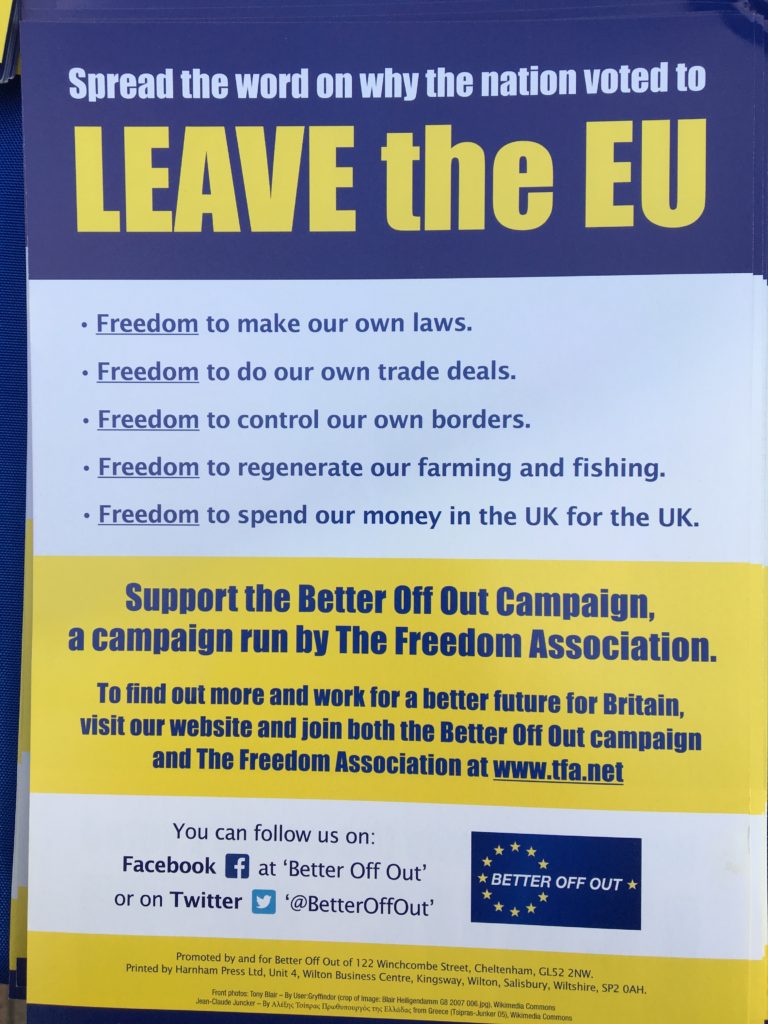
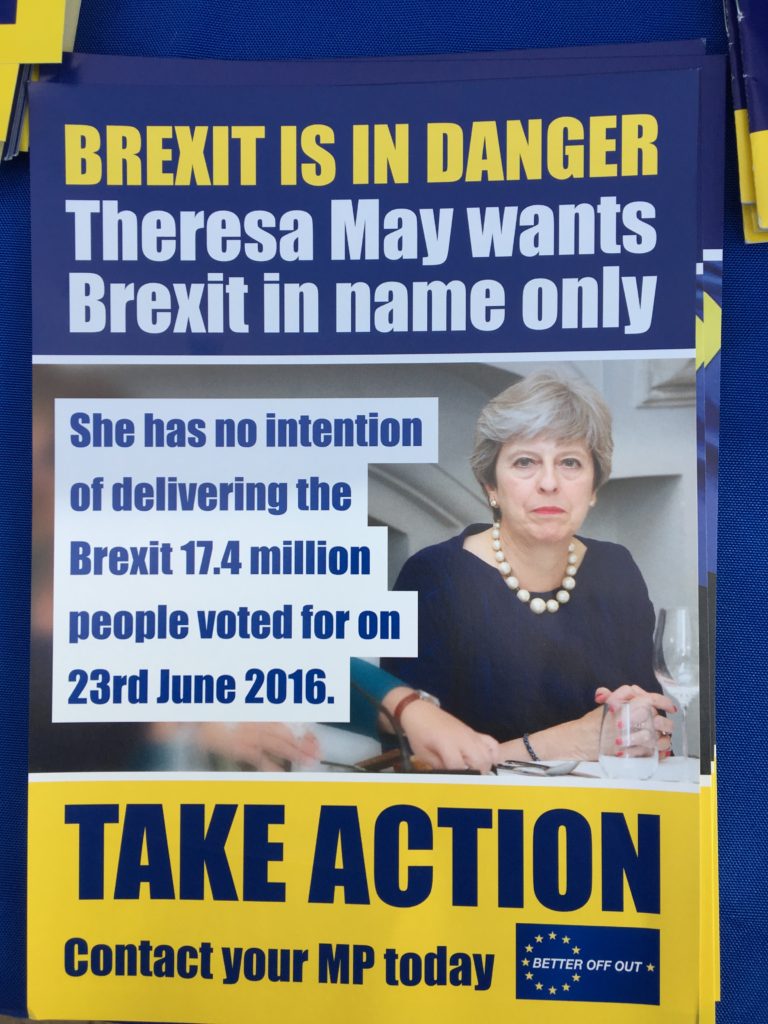
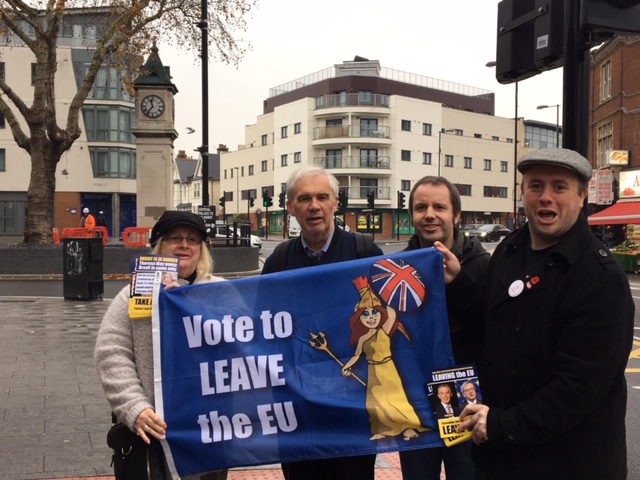
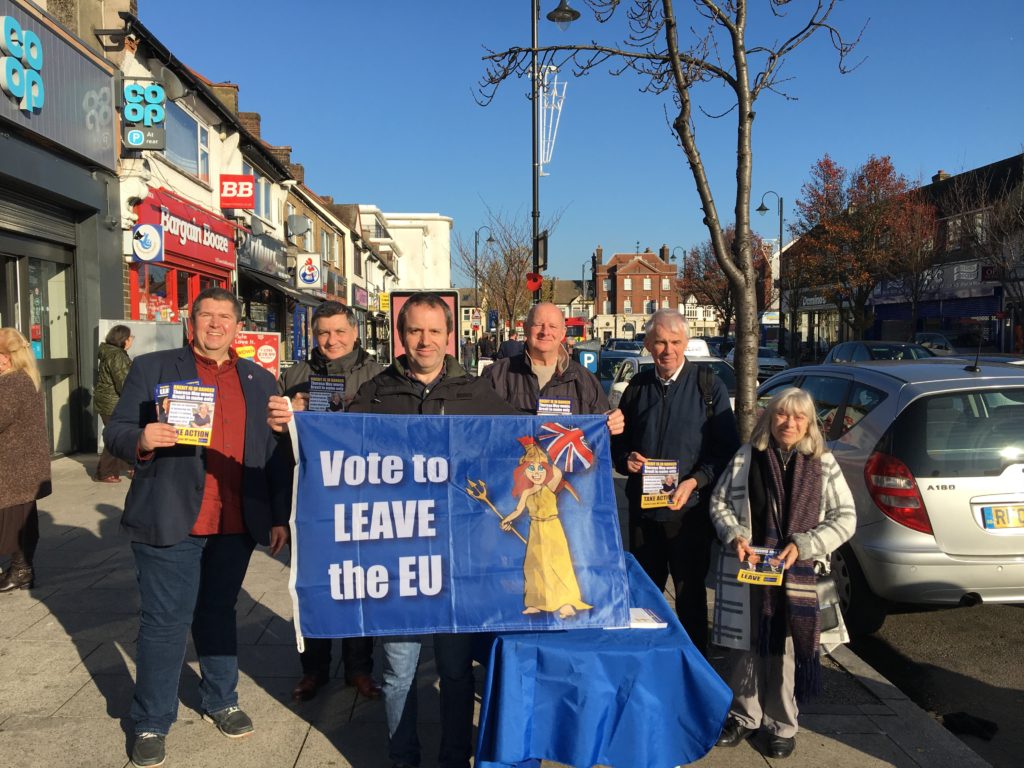
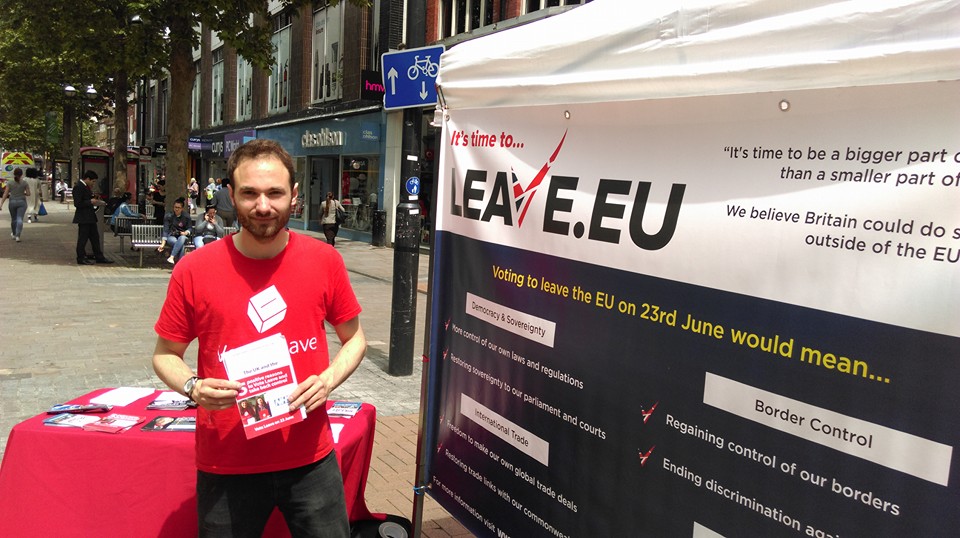
We all know how that went and we eventually if imperfectly did leave the EU. This group grew out of the Vote Leave campaign in Croydon, although when we started Vote Leave wasn’t the designated leave group and during the campaign we used material from them, Grassroots Out, Leave.EU, Better Off Out, The Bruges Group, locally sourced and any other viable leave campaign we could. Sadly many of the articles from the time have disappeared into the ether but from memory we distributed about 150,000 leaflets, held about 40 street stalls and held around 7 public meetings. Videos from a street stall and a public meeting are still online.
Whilst we lost in Croydon we won nationally. The 3 constituencies then in Croydon voted as follows, Croydon North 41.2% Leave, Croydon Central 50.3% Leave (note to then MP Gavin Barwell maybe don’t insult the majority of your voters), and Croydon South 45.8% Leave. At a council ward level we saw, Coulsdon East (53.54%), Fieldway (62.01%), Heathfield (52.18%), New Addington (64.8%), Selhurst (52.32%) all vote Leave. Ashburton was an exact 50%/50% split with 3,885 votes for both Leave and Remain, whilst Shirley and Bensham Manor both voted over 49% Leave.
After the referendum aside from occasional drinks initially we mostly went back to our political parties or more sensibly avoided active politics. This group started out looking forward to our Opportunities outside the EU, with a meeting which included a speech from Croydon South MP Chris Philp.
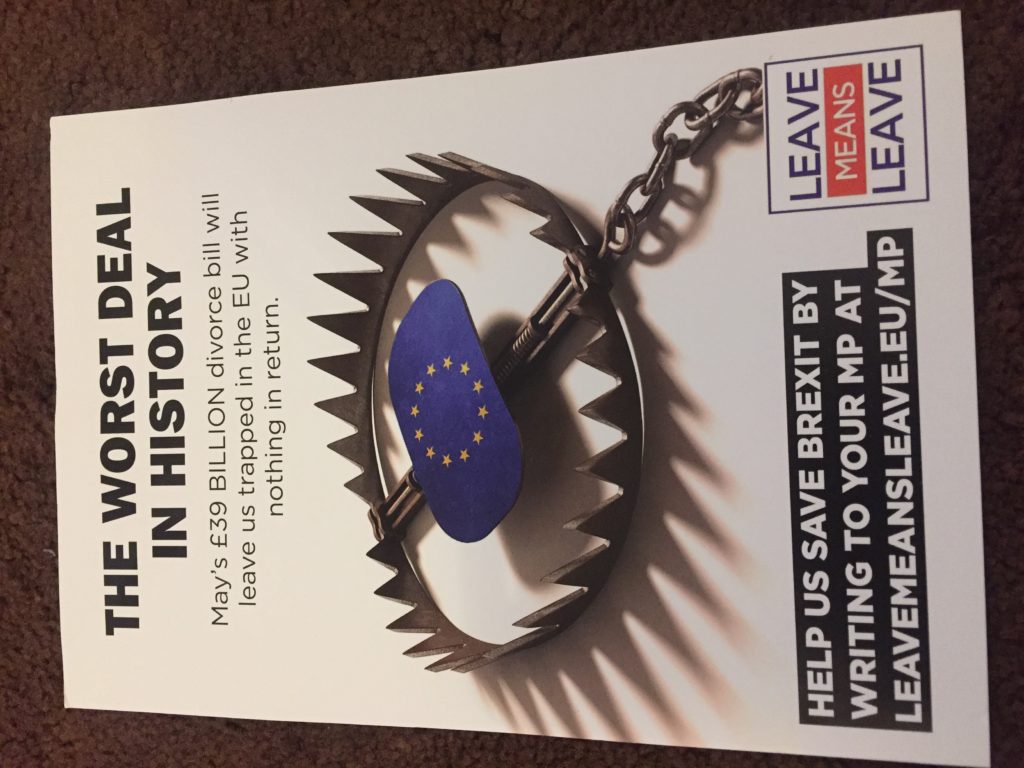
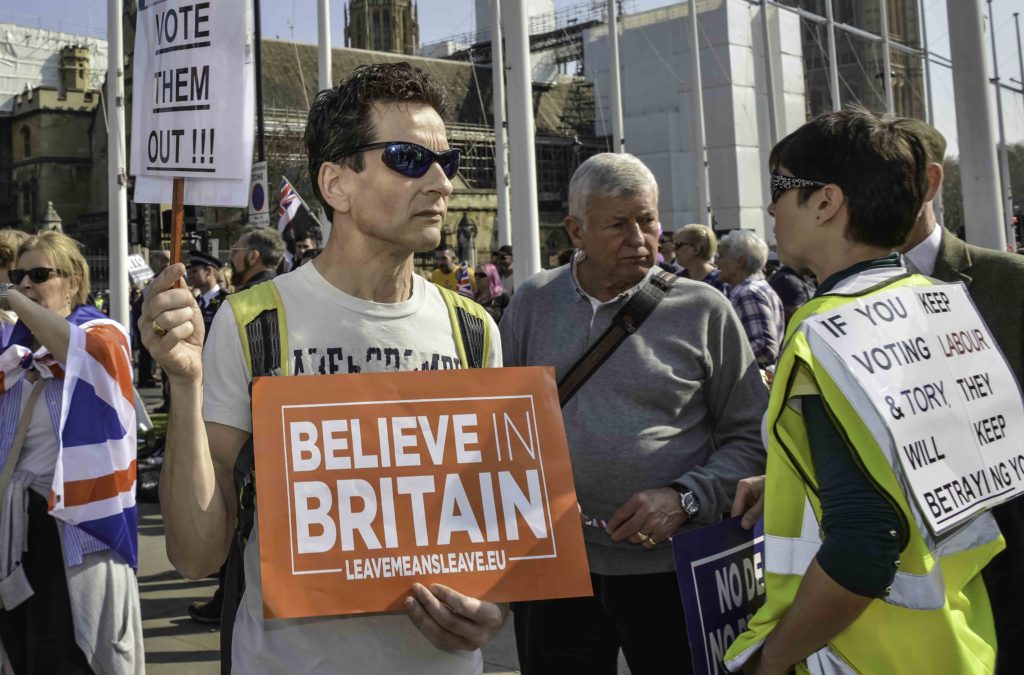
Unfortunately, it soon became clear that Theresa May and a great number of MPs in the treacherous parliament wanted to betray our democratic vote. So once again we were back out campaigning with multiple events including street stalls in Thornton Heath, Addiscombe and Croydon, and leafleting again in Addiscombe, Wallington and Caterham to apply pressure on anti-democracy MPs in those areas. Through all the campaigns we had attracted more foreign media coverage than local. As we ramped up to the 2019 Brexit election we were interviewed by The Globe and Mail, Canada’s “newspaper of record”.
Then finally on the 31st January 2020 at 11:00 pm we left the EU. Peter Sonnex Brexit Party Candidate for Croydon Central wrote about the election campaign, and may of you wrote on your hopes and predictions for the future over 7 pages of short interviews at the end of transition. We also had the great pleasure of a podcast interview with the sadly recently departed, Simon Richards, the former CEO of The Freedom Association who started the Better Off Out campaign.
10 years on we want to thank all of you who contributed to our campaign locally, and all of you who took a stand for our sovereignty and freedom as a nation.
The 10 year anniversary of the Brexit vote has coincided with the World Cup and The George in Croydon (our third Wednesday drinks stop) being closed for refurbishment. We will get drinks up and running again soon, do come along and raise a glass to all we helped achieve together.
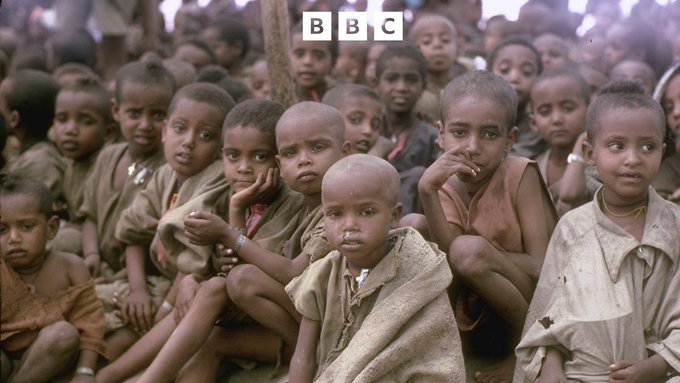
“October 23, 1984, the BBC aired a report by correspondent Michael Buerk with footage filmed in the Korem refugee camp”
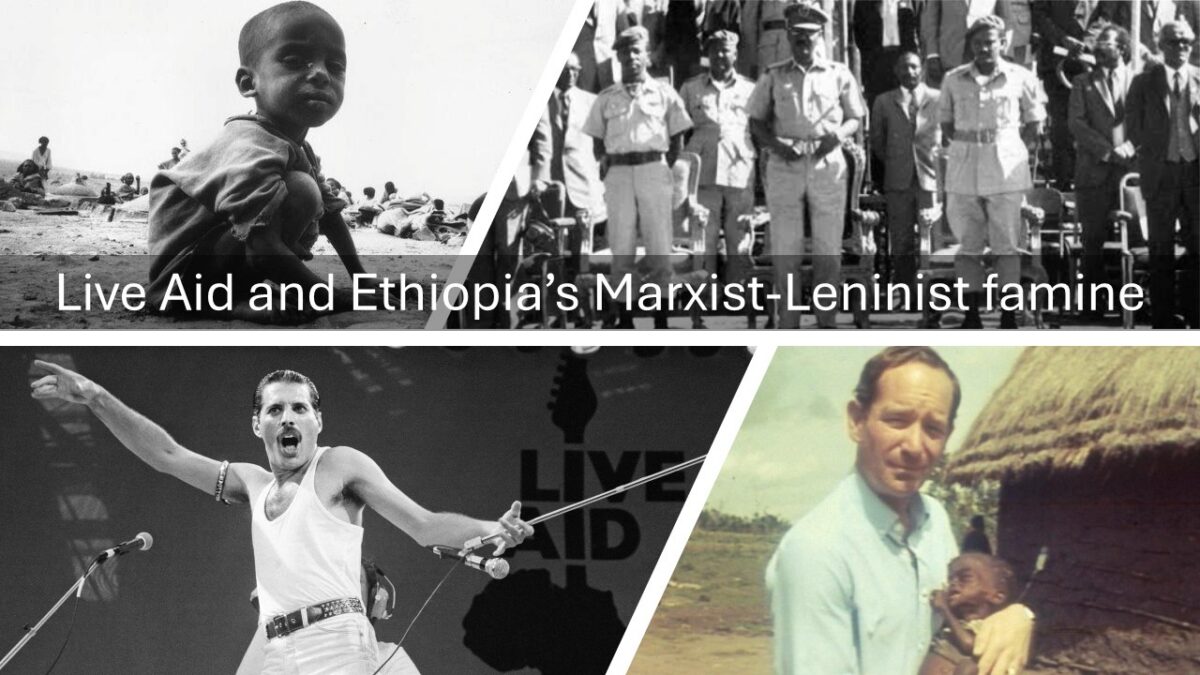
In July 1985, over a billion people watched Live Aid. Months earlier, Michael Jackson and Lionel Richie had written “We Are the World.” All of it was a response to a famine in Ethiopia. Almost nobody remembers who actually caused the famine.
What the world saw: on October 23, 1984, the BBC aired a report by correspondent Michael Buerk with footage filmed in the Korem refugee camp by Kenyan photographer Mohamed Amin. Within weeks, 425 television stations had rebroadcast those images of starving children to roughly 470 million viewers worldwide.
The crisis was framed almost entirely as a natural disaster, the work of a catastrophic drought striking a poor country. Television footage showed cracked earth, dying livestock, and skeletal children. The government in Addis Ababa, the capital of Ethiopia, was barely named in Western coverage. Its policies were not named at all.
“On July 13, Live Aid filled Wembley Stadium in London and JFK Stadium in Philadelphia and raised more than 100 million US dollars for famine relief”
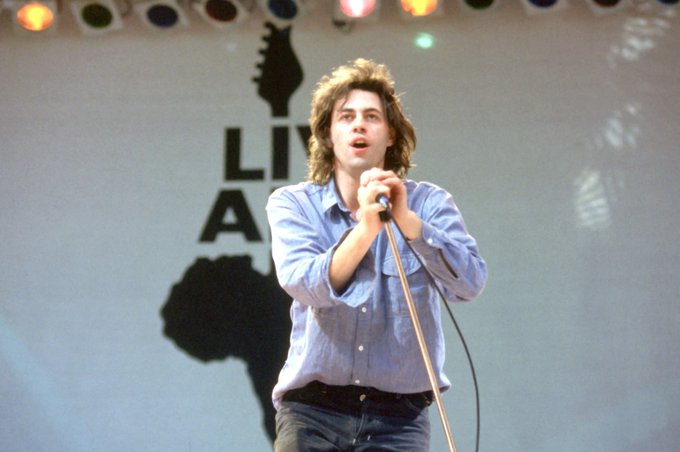
Bob Geldof started calling musicians. On January 28, 1985, forty-six artists recorded “We Are the World” in a single night in Hollywood. The single sold over 20 million copies. On July 13, Live Aid filled Wembley Stadium in London and JFK Stadium in Philadelphia and raised more than 100 million US dollars for famine relief. It was the largest humanitarian mobilization in history up to that point.
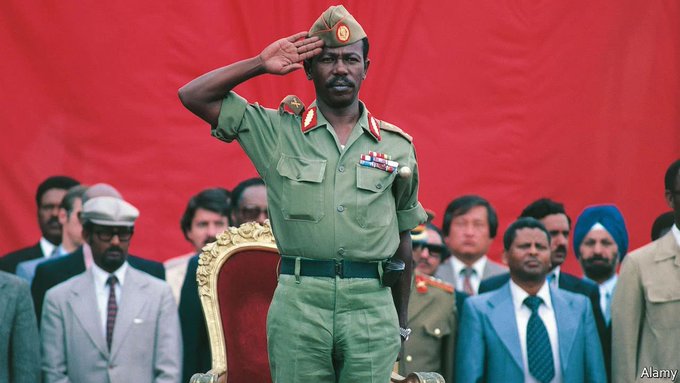
What was actually happening: in September 1974, a Marxist-Leninist military junta called the Derg overthrew Emperor Haile Selassie. By 1977, Colonel Mengistu Haile Mariam had killed his rivals inside the junta and taken sole control. He built a Soviet-style state. He nationalized all rural land in 1975 and imposed grain quotas that peasants had to deliver to the state at prices below the cost of production.
“This is the mechanism Stalin had used to engineer famine in Ukraine in 1932. The state destroys the production incentive, then extracts grain by force”
This is the mechanism Stalin had used to engineer famine in Ukraine in 1932. The state destroys the production incentive, then extracts grain by force. When drought arrived in northern Ethiopia in 1983, there was no surplus and no buffer. Forced collectivization had already destroyed the country’s food reserves years before the rain stopped.
The drought was real. Droughts had hit that region for centuries without killing a million people. What turned a drought into a famine that killed roughly one million Ethiopians was the policy decision to keep extracting food from regions that were already starving.
“Mengistu used food as a weapon of war against the civilian populations in those regions. Blocking grain convoys, bombing markets in rebel-held towns, and burning crops”
Tigray and Eritrea were in armed rebellion against the Derg. Mengistu used food as a weapon of war against the civilian populations in those regions. Blocking grain convoys, bombing markets in rebel-held towns, and burning crops in contested territory were state policy. Researchers including Alex de Waal and Human Rights Watch documented this in detail.
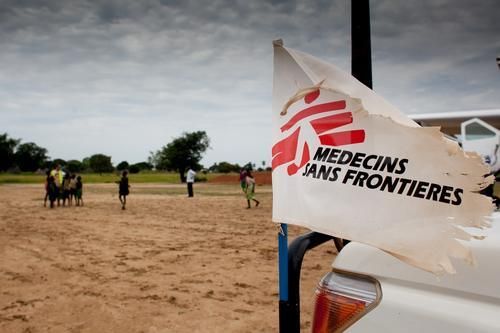
Then came the resettlement program. The regime declared it would move 1.5 million peasants from the rebellious north to the south. Médecins Sans Frontières documented what followed: people loaded into trucks and aircraft, separated from their families, dumped in regions with no food, water, or shelter. Deaths during transport and at the destinations are estimated at 50,000 to 100,000.
“If the cause of the Ethiopian famine had been a right-wing regime, it would probably be in every school curriculum alongside Live Aid”
MSF France denounced the program publicly in October 1985. The Ethiopian government expelled them in December. Investigators later established that a large share of the international aid raised in the West was diverted into the resettlement program itself. The same money raised to save Ethiopians from starvation paid, in part, for the operation that killed between 50,000 and 100,000 of them.
In December 2006, an Ethiopian court convicted Mengistu of genocide. In May 2008, the sentence was upgraded to death. He has lived in exile in Zimbabwe since 1991, never extradited and never tried in person.
If the cause of the Ethiopian famine had been a right-wing regime, it would probably be in every school curriculum alongside Live Aid. The famine that produced the most-watched concert in history was caused by forced collectivization, forced grain seizures, and a deliberate policy of using hunger as a weapon against civilians. Four decades later, that half of the story still does not appear in most accounts of Live Aid.
“Forced collectivization had already destroyed the country’s food reserves years before the rain stopped”
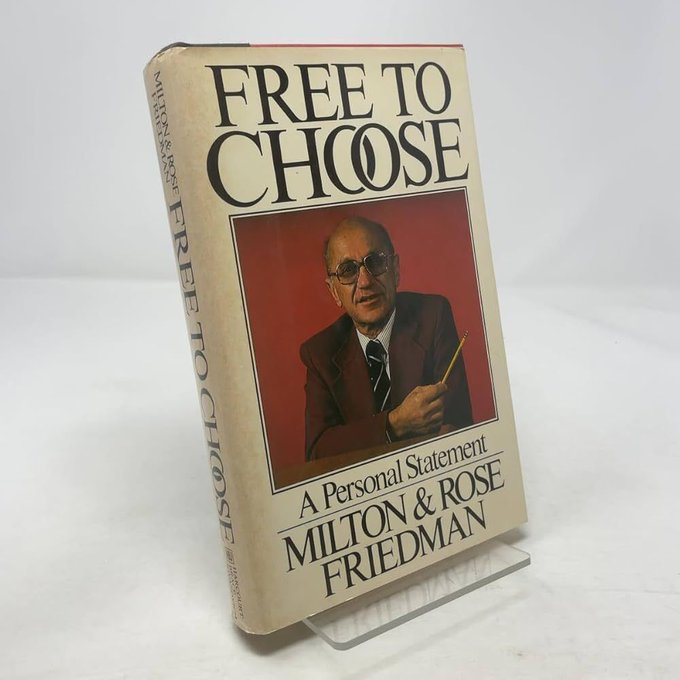
“He had read exactly one book on economics: Milton Friedman’s Free to Choose. He used it as a policy manual”
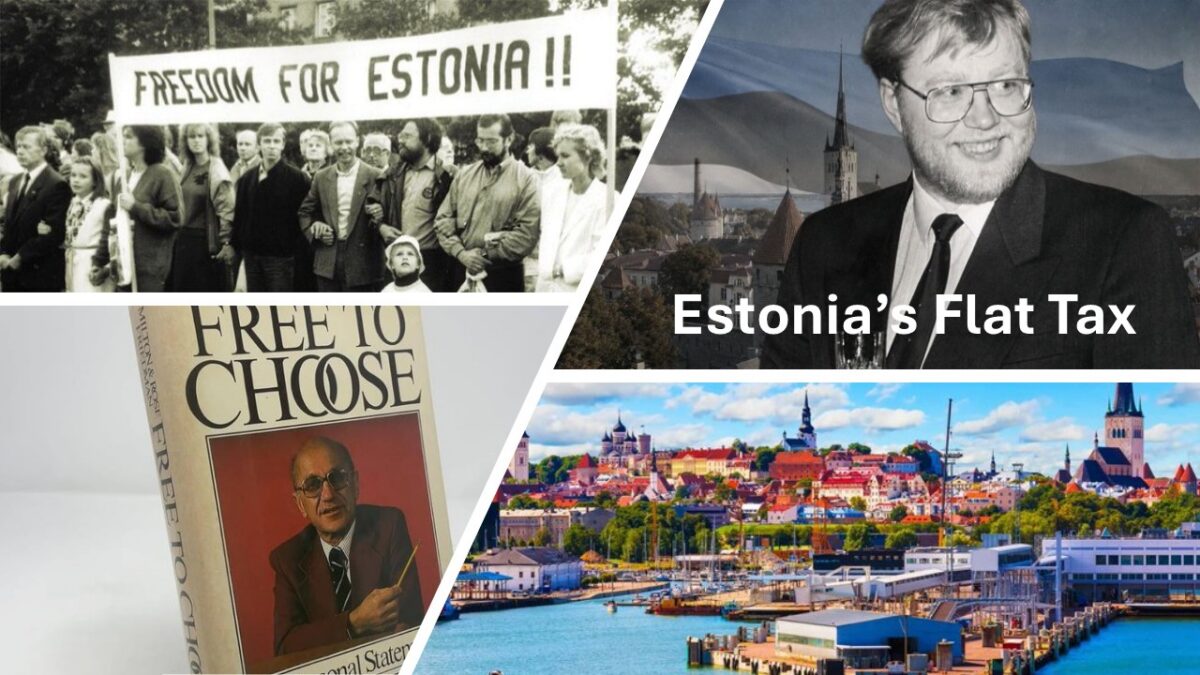
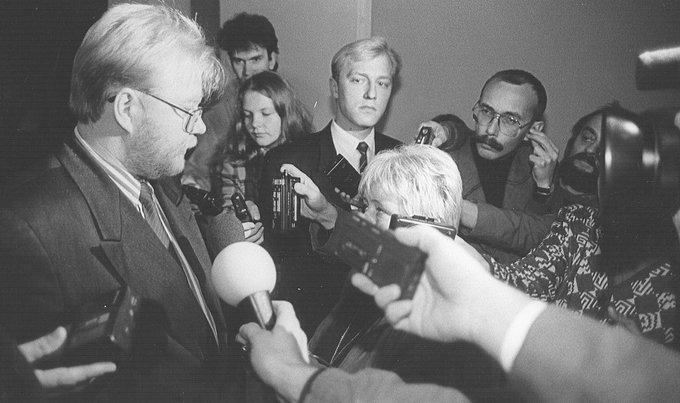
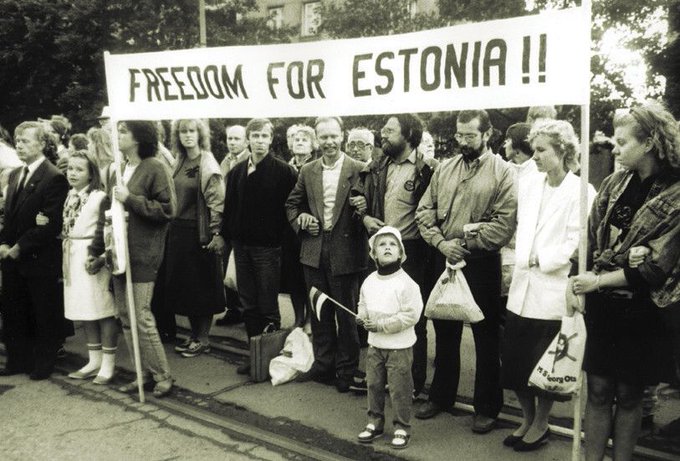
In 1992, a 32-year-old historian became Prime Minister of Estonia. He had read exactly one book on economics: Milton Friedman’s Free to Choose. He used it as a policy manual. Western advisors and Estonian economists told him it would fail.
After gaining independence from Soviet Union in 1991, Estonia had a destroyed economy. Inflation over 1,000%. Output falling 30% a year. Massive shortages of fuel and food. 95% of the economy state-owned. 92% of trade locked to a Russia that had stopped paying. The standard recipe for transition economies was gradualism. Step by step. Protect vulnerable sectors. Let the market adjust slowly.
Mart Laar took office in October 1992. Months earlier, Estonia had already broken from the Ruble and launched a new currency, the Kroon, anchored to a strict currency board. The IMF had cautioned against the rigid currency board, warning it would leave no room for monetary policy. Laar refused to loosen it and made it the foundation for everything that followed.
“On January 1, 1994, he did the thing nobody had done before: a 26% flat tax. Same rate for individuals and corporations”
Then he abolished tariffs. Not negotiated. Not phased. Unilateral. Estonia became one open trade zone with no protection for agriculture and no protection for industry. Western advisors warned the domestic economy would collapse.
He privatized fast. By 1994 most state enterprises were in private hands, sold through open public tenders modelled on the German Treuhand to keep oligarchs out. On January 1, 1994, he did the thing nobody had done before: a 26% flat tax. Same rate for individuals and corporations. A basic tax-free allowance for low earners, but no progressivity above it.
No democratic country had ever implemented a flat tax of this kind. Mainstream Western economists called it reckless. They wrote that the poor would carry the burden and that state revenues would collapse. Estonian economists at home told him it would not work. He did it anyway.
“The reforms compounded. By 2003, Estonia had high-speed internet across the entire country and a working digital government”
Then the numbers came in. Estonia grew faster than any other country in Central and Eastern Europe through the rest of the decade. It pulled in more foreign investment per capita than any of its neighbours. By 2000, GDP was growing 6.4% a year.
The reforms compounded. By 2003, Estonia had high-speed internet across the entire country and a working digital government. That same year, a team in Tallinn shipped Skype. A country that had inherited barely functioning Soviet telephone lines was now exporting communication software to the world.
“He didn’t know no country had tried it. He found out afterward. He said that if he had known, he might not have done it”
In 2011, Estonia joined the euro. It met every Maastricht criterion and entered with the lowest public debt in the entire EU. Balanced books, stable inflation, debt below 7% of GDP. A former Soviet republic was the most fiscally disciplined country in the room.
Years later someone asked Laar where the flat tax idea came from. He said he had read Free to Choose and assumed the West had already done it. He didn’t know no country had tried it. He found out afterward. He said that if he had known, he might not have done it.
The experts knew too much. They knew every objection, every precedent, every reason a clean break could not work. Laar didn’t know the objections, so the objections didn’t stop him. He took Friedman at face value and acted.
Latvia copied the flat tax in 1995. Lithuania the same year. Slovakia, Romania, Russia, Georgia, and Ukraine followed over the next decade. Estonia’s GDP per capita overtook Greece’s in purchasing-power terms in the 2010s. The country now produces more unicorn startups per capita than any other in Europe: 7.7 per million people, more than double the runner-up.
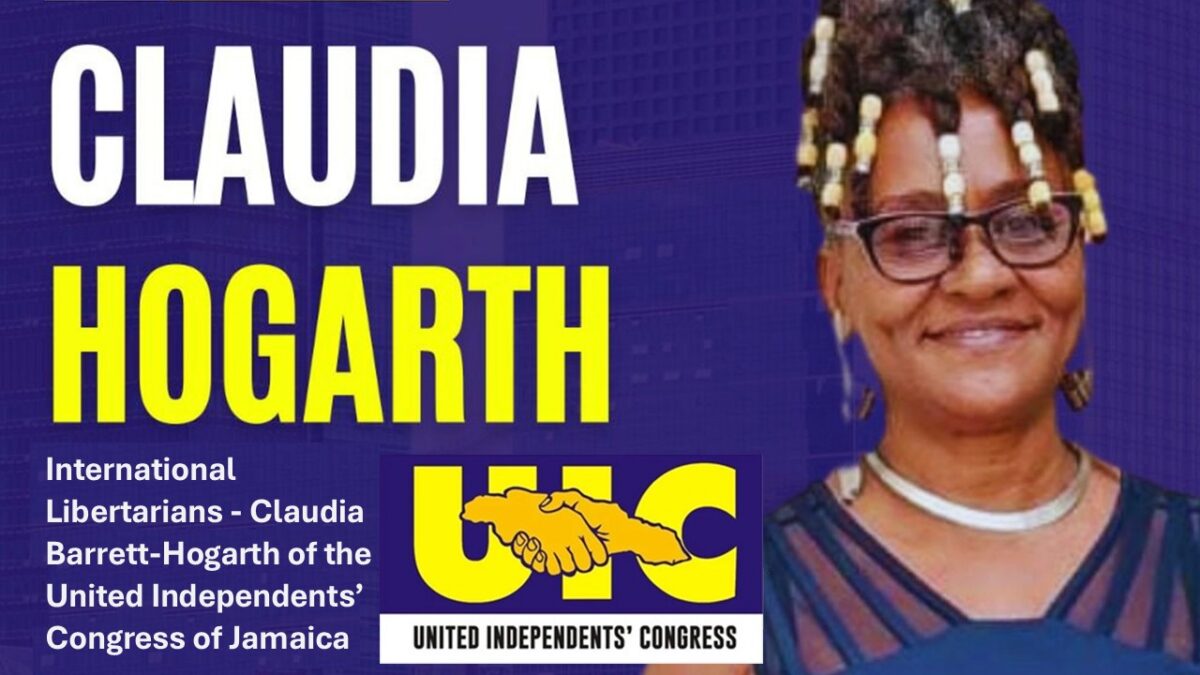
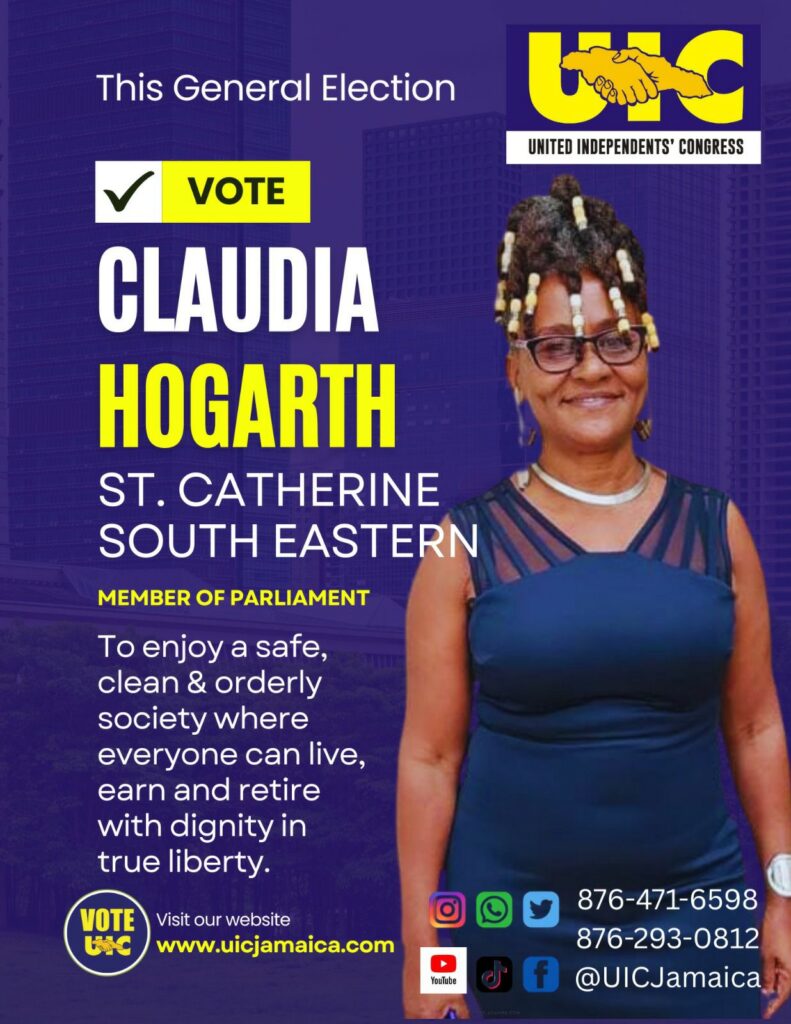
The United Independents’ Congress of Jamaica (UIC Jamaica) rose to prominence in 2021 when its Founder and President, Joseph L. Patterson, was arrested for leading a Freedom March on Parliament, against draconian Covid-19 measures. We spoke with their General Secretary Claudia Barrett-Hogarth. The party is a member of International Alliance of Libertarian Parties.
“political power should be restored to ordinary citizens, not concentrated in the hands of wealthy special interests, entrenched party structures, or political elites”
Can you introduce yourself to our readers, and tell us a bit about your party?
My name is Claudia Barrett-Hogarth. I am a retiree and farmer from the parish of St. Catherine, Jamaica, and I serve as the General Secretary of the United Independents’ Congress of Jamaica, commonly known as UIC Jamaica or simply the UIC.
The UIC is Jamaica’s third registered political party and its first national grassroots political and liberation movement. We are organized around the principle that liberty and personal dignity are rights inherent in the individual and uncompromisable for any individual, body or government to override or contravene. We also believe that political power should be restored to ordinary citizens, not concentrated in the hands of wealthy special interests, entrenched party structures, or political elites. The movement is funded, built, and sustained by ordinary Jamaicans at home and in the diaspora who volunteer their time, resources, skills, and voices because they believe in the UIC’s vision, mission, philosophy, core values, and objectives.
Our Mission is “to create the Non-Partisan Constitutional Republic of Jamaica that protects our individual liberty and promotes personal responsibility in a safe, clean and orderly society where everyone can live, earn and retire with dignity in true liberty”.
This mission is reflected in our Core Values: Individual Liberty; Personal Responsibility; Equal Opportunity; Equal Rights; Equal Justice; A Safe, Clean & Orderly Society; and A Free and Fair Market Economy.
“Our Mission is “to create the Non-Partisan Constitutional Republic of Jamaica that protects our individual liberty and promotes personal responsibility”
The UIC believes that many of Jamaica’s greatest problems are rooted in a lack of true individual liberty, personal responsibility, equal rights, justice, opportunity, public order, and a genuinely free and fair market economy. These failures are the result of bad governance. We therefore emphasize the rights of the individual and the need to limit government to its proper place and function, as outlined in our Philosophy:
“It is the right of every human being to be free. Therefore, the only moral justification of and rightful purpose of government is to protect the life, liberty and property rights of every citizen equally. Good Governance, therefore, is the protection of individual liberty and property rights; the promotion of personal responsibility; and the provision of a safe clean and orderly society that protects our individual and collective sovereignty. This is the only sure foundation for a truly free, fair, peaceful and prosperous society.”
“We believe Jamaica does not merely need a change of political managers. Jamaica needs a change of system”
What do you see as the major challenges facing Jamaica, and what policies is the party championing?
The major challenge facing Jamaica, from which many other problems arise, is bad governance. For over 80 years, Jamaica has suffered from corruption, mismanagement of public funds, excessive centralization of power, weak accountability, and an overbearing political culture that has too often placed partisan interests above the national interest.
The results are visible: high levels of crime and violence, persistent poverty, a weak and underperforming economy, devaluation of the Jamaican dollar, an undereducated citizenry, brain drain, poor roads and infrastructure, and inadequate delivery of essential public services.
The UIC is therefore championing a fundamental transformation of Jamaica’s governance model. Our policy direction includes moving Jamaica toward a Non-Partisan Constitutional Republic, strengthening checks and balances, removing the power of political parties and their neocolonial masters over the state, empowering citizens directly, protecting individual liberty and property rights, reforming taxation, creating a free and fair market economy, and building a safe, clean, orderly, and prosperous society.
We believe Jamaica does not merely need a change of political managers. Jamaica needs a change of system.
“We believe a simpler, fairer, and more disciplined taxation system would reduce wasteful spending and encourage productivity”
If you could introduce policies to change just three things in Jamaica, what would they be?
If the UIC were in a position to introduce policies to change three things in Jamaica, we would focus on the following:
First, we would overhaul the system of governance and elections.
Jamaica’s current system does not give taxpayers proper value for money, nor does it provide sufficient protection against the abuse of power. We would seek to remove the unfair influence of wealthy special interests and entrenched partisan machinery by creating a system in which candidates must first pass a basic governance test, submit to public audit and vetting, and then be nominated on merit.
Once nominated, candidates would receive equal access to public campaign opportunities, including town halls and equal access to television, radio, print, and social media coverage. This would help ensure that elections are based on competence, character, public trust, and policy ideas rather than money, tribalism, or party machinery.
We would also remove partisan tribalism from all levels of governance. Representatives would be elected as individuals on their own merit, not as agents of a party. In the legislature, there would be no separation by party colours or party blocs, but a united, non-partisan Congress of Representatives.
We would also introduce stronger checks and balances. This would include a nationally elected President, elected Vice Presidents representing Jamaica’s three counties, independently elected Senators representing the parishes, and Ministers or Department Secretaries selected for subject-matter competence, publicly vetted by the independent elected Senate, and approved through transparent voting in the House of Representatives. Judges would be appointed through a similarly accountable process. The purpose would be to prevent the concentration of power, reduce conflicts of interest, minimize nepotism, and protect public resources.
Second, we would reform taxation and government revenue.
The UIC would limit government revenue to service fees, a 10% income tax from all sources of income, and a 10% sales tax. The 10% sales tax would be reserved for emergencies, poverty reduction through a workfare programme, and national beautification.
We believe a simpler, fairer, and more disciplined taxation system would reduce wasteful spending and encourage productivity. Health and education should be run as genuine public and corporate services in which the people are stakeholders. With better governance, lower waste, and stronger accountability, these services can be more efficient and properly funded.
The dedicated sales tax would help Jamaica build an emergency reserve, beautify the environment, reduce dependency on borrowing, and systematically address poverty. The goal is to ensure that the country becomes cleaner, safer, more beautiful, and more dignified, while ensuring that those who need support are provided with good housing, healthcare, nutrition, and education, so long as they are willing to work and contribute through the workfare system.
“Land that is not being used for residence or commercial development would be placed into productive use”
Third, we would pursue land ownership and productive use of Jamaica’s land.
The UIC believes that every Jamaican family should become property owners. Land ownership is one of the foundations of liberty, dignity, stability, and economic independence.
We would therefore seek to ensure that land is used in a way that benefits the Jamaican people. Land that is not being used for residence or commercial development would be placed into productive use, especially through organic farming and other sustainable industries. Our vision is for Jamaica to become the organic food capital of the world, with Jamaican citizens becoming shareholders and beneficiaries of the profits generated from its productive use.
“Jamaicans must stop waiting for rescue from the same system that has failed them. We must build and fund an alternative system of governance that serves the people’s best interests”
Is there anything else you want to say to our readers?
Bad governance affects all of us. When people remain silent while systems of power, political actors, and their private backers continue to misuse public authority and public resources, the people become trapped in their own oppression.
The UIC believes that Jamaicans must stop waiting for rescue from the same system that has failed them. We must build and fund an alternative system of governance that serves the people’s best interests and includes strong checks and balances to prevent the same abuses from recurring.
We invite Jamaicans at home and in the diaspora, as well as friends of liberty around the world, to pay attention to what is happening in Jamaica. Our struggle is not only about party politics. It is about liberty, responsibility, justice, opportunity, national dignity, and the right of a people to govern themselves properly.
How can people find out more about what the party is up to?
People can find out more about the United Independents’ Congress of Jamaica through the following platforms:
“DA’91 was founded in 1991 based on the conviction that politics should be honest, substantive, future-oriented, and grounded in democratic principles”
Can you introduce yourself to our readers, and tell us a bit about your party?
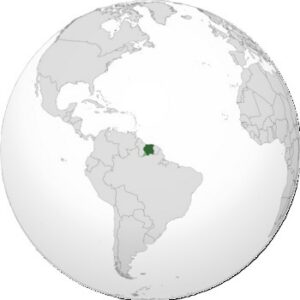
Suriname
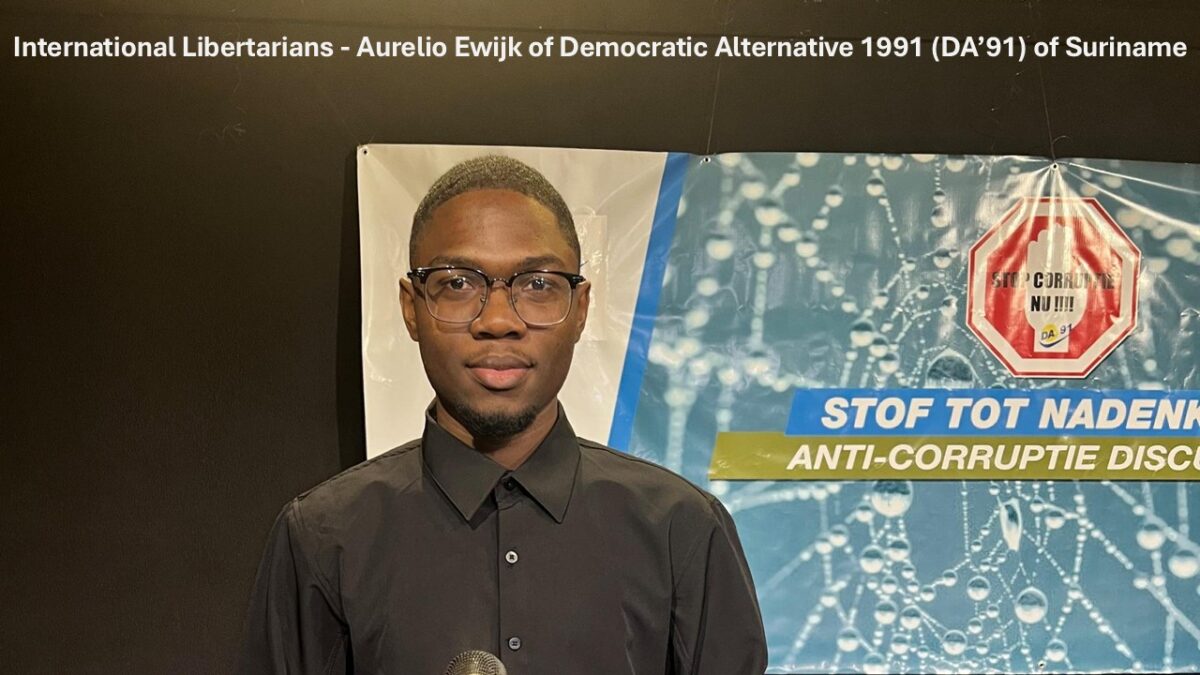
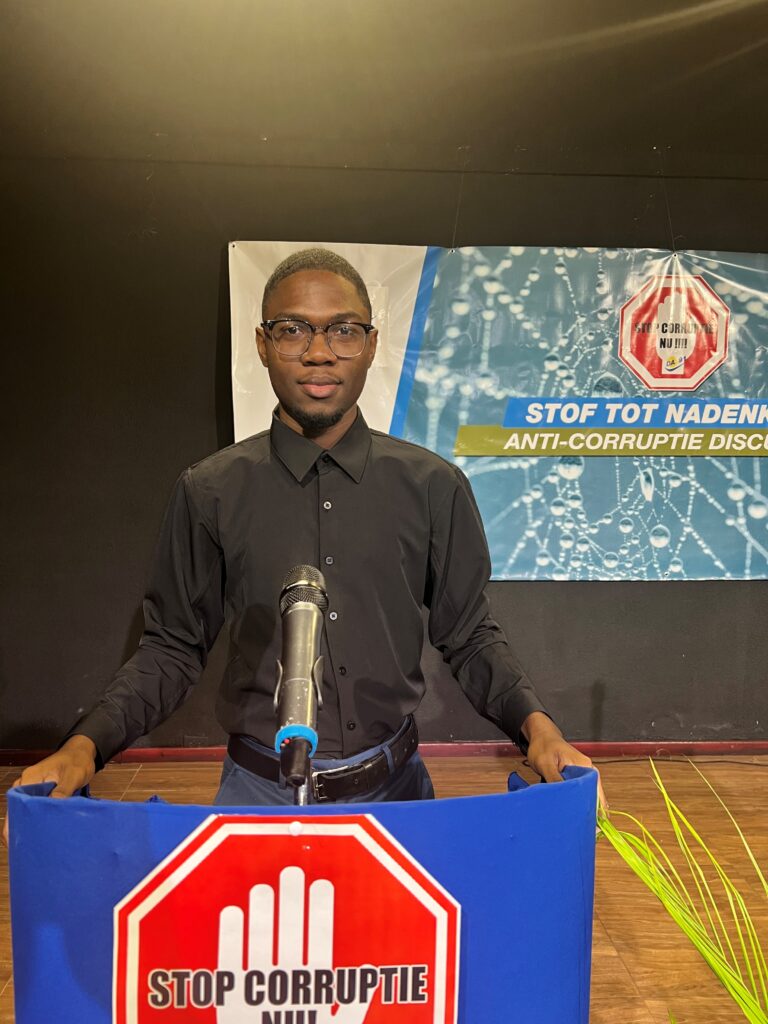
My name is Aurelio Ewijk and I serve as Chairman of the Youth Forum and a member of the Presidium within DA’91, a political party in Suriname that stands for democracy, transparency, good governance, and fair sustainable development. DA’91 was founded in 1991 based on the conviction that politics should be honest, substantive, future-oriented, and grounded in democratic principles.
We believe in a Suriname where opportunity, development, and justice are central for every citizen.
“We believe sustainable growth is only possible when citizens regain trust in their government”
What do you see as the major challenges facing Suriname and what policies is the party championing?
Suriname is currently facing several major challenges, including economic instability, a high cost of living, unemployment, corruption, and declining public trust in politics and political institutions. In addition, we believe that education, healthcare, and opportunities for young people deserve greater attention.
DA’91 therefore advocates for transparent governance, stronger state institutions, investments in education and entrepreneurship, and an economy that is less dependent solely on natural resources. We believe sustainable growth is only possible when citizens regain trust in their government.
“We believe in a stable economy in which local entrepreneurs are supported, bureaucracy is reduced, and investments are encouraged”
If you could introduce policies to change just 3 things in Suriname, what would they be?
Strengthening transparency and anti-corruption policies so that public resources genuinely benefit society. We want to introduce stronger oversight mechanisms within government, make public spending more transparent, and strengthen independent institutions so corruption can be effectively addressed. Public resources should be used for the development of the country and not lost through mismanagement.
Investing more in education and youth development, because young people are the key to Suriname’s future. DA’91 wants to invest in modern education, technical training, and digital skills so young people are better prepared for the labor market. We also believe young people should be given more opportunities to develop entrepreneurship and innovation.
Stimulating economic reforms that create more employment, support local entrepreneurs, and provide financial stability for families. We believe in a stable economy in which local entrepreneurs are supported, bureaucracy is reduced, and investments are encouraged. The goal is to create more jobs, restore purchasing power, and provide families with greater financial security.
“Despite the challenges, we continue to believe in the strength, creativity, and resilience of our people”
Is there anything else you want to say to our readers?
Suriname is a country with enormous potential. Despite the challenges, we continue to believe in the strength, creativity, and resilience of our people. Political change begins with engaged citizens who are willing to think along and help build a better future.
With the prospect of billions in future oil and gas revenues, now more than ever is the time to implement radical reforms and ensure that our communities benefit from this economic opportunity.
How can people find out more about what the party is up to?
People can follow DA’91 through our social media channels and other online platforms where we share updates, positions, and activities.