
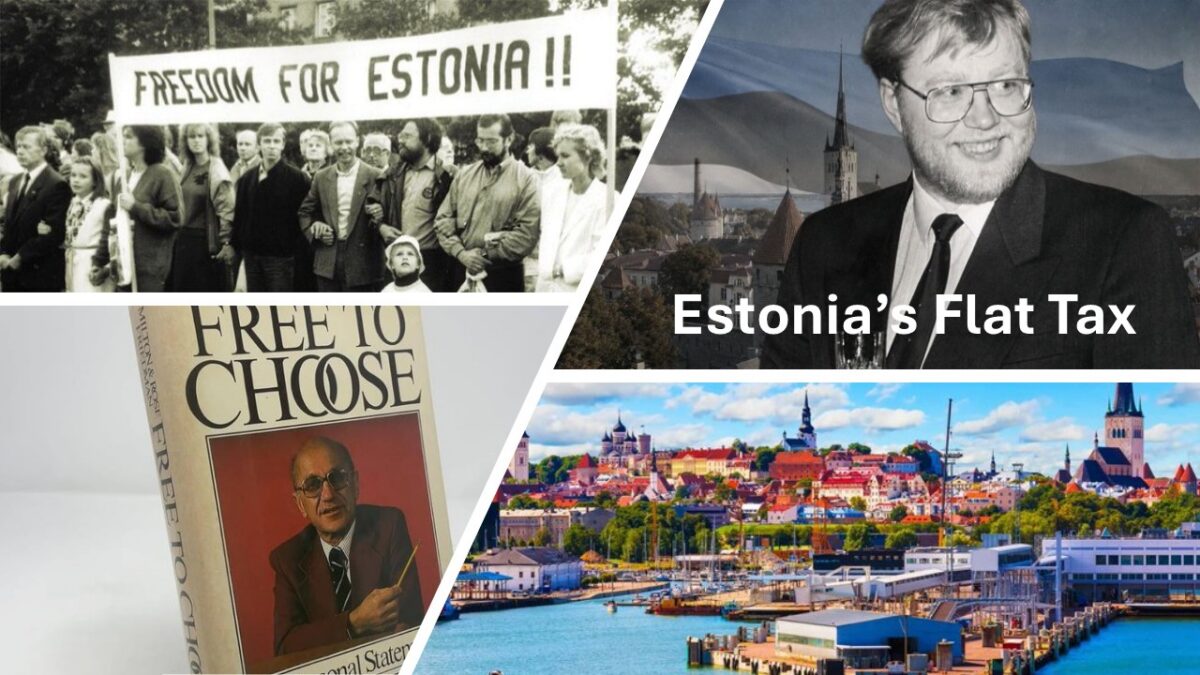
Students For Liberty write on how Estonia’s flat tax came to be.
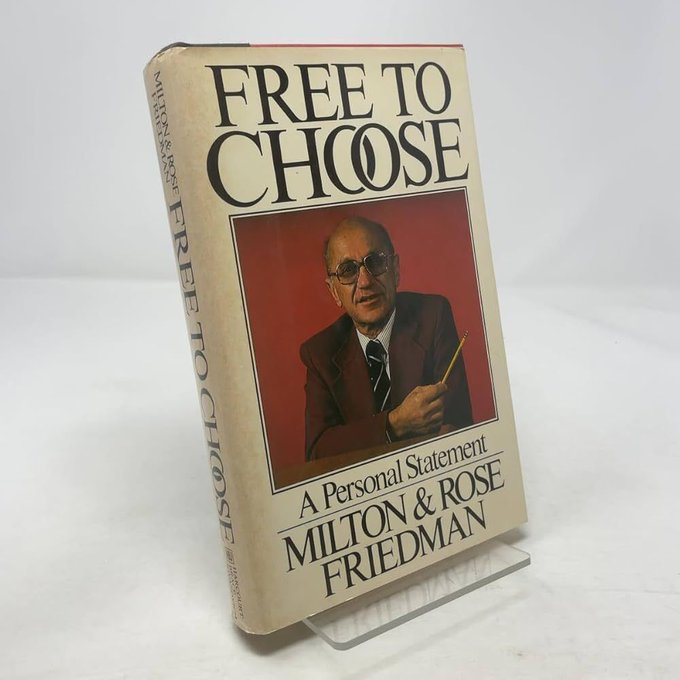
“He had read exactly one book on economics: Milton Friedman’s Free to Choose. He used it as a policy manual”
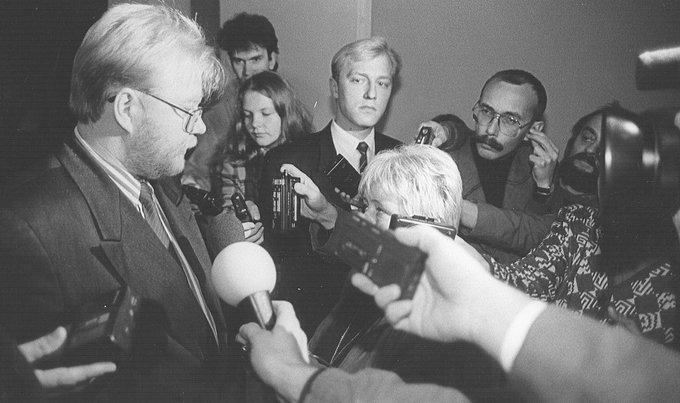
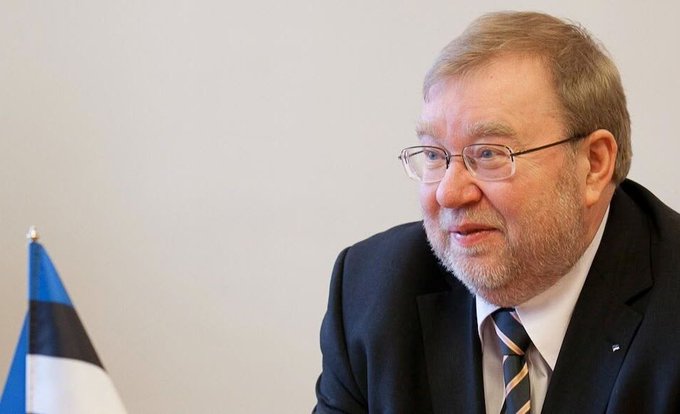
In 1992, a 32-year-old historian became Prime Minister of Estonia. He had read exactly one book on economics: Milton Friedman’s Free to Choose. He used it as a policy manual. Western advisors and Estonian economists told him it would fail.
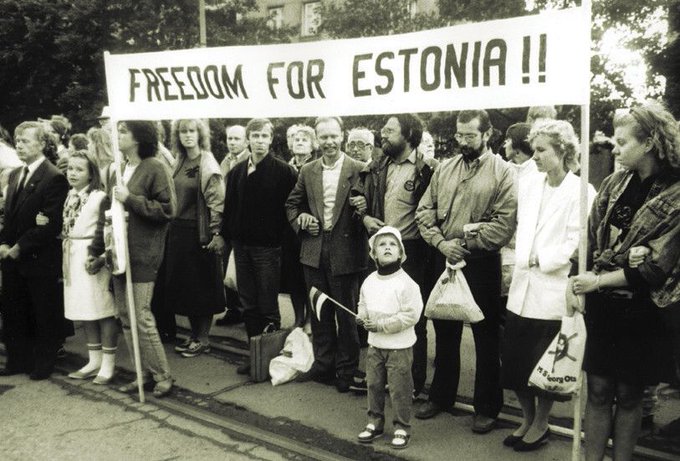
After gaining independence from Soviet Union in 1991, Estonia had a destroyed economy. Inflation over 1,000%. Output falling 30% a year. Massive shortages of fuel and food. 95% of the economy state-owned. 92% of trade locked to a Russia that had stopped paying. The standard recipe for transition economies was gradualism. Step by step. Protect vulnerable sectors. Let the market adjust slowly.
Mart Laar took office in October 1992. Months earlier, Estonia had already broken from the Ruble and launched a new currency, the Kroon, anchored to a strict currency board. The IMF had cautioned against the rigid currency board, warning it would leave no room for monetary policy. Laar refused to loosen it and made it the foundation for everything that followed.
“On January 1, 1994, he did the thing nobody had done before: a 26% flat tax. Same rate for individuals and corporations”
Then he abolished tariffs. Not negotiated. Not phased. Unilateral. Estonia became one open trade zone with no protection for agriculture and no protection for industry. Western advisors warned the domestic economy would collapse.
He privatized fast. By 1994 most state enterprises were in private hands, sold through open public tenders modelled on the German Treuhand to keep oligarchs out. On January 1, 1994, he did the thing nobody had done before: a 26% flat tax. Same rate for individuals and corporations. A basic tax-free allowance for low earners, but no progressivity above it.
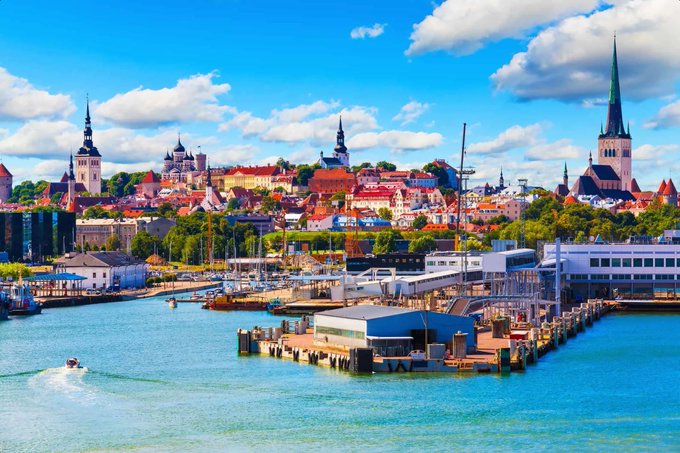
No democratic country had ever implemented a flat tax of this kind. Mainstream Western economists called it reckless. They wrote that the poor would carry the burden and that state revenues would collapse. Estonian economists at home told him it would not work. He did it anyway.
“The reforms compounded. By 2003, Estonia had high-speed internet across the entire country and a working digital government”
Then the numbers came in. Estonia grew faster than any other country in Central and Eastern Europe through the rest of the decade. It pulled in more foreign investment per capita than any of its neighbours. By 2000, GDP was growing 6.4% a year.
The reforms compounded. By 2003, Estonia had high-speed internet across the entire country and a working digital government. That same year, a team in Tallinn shipped Skype. A country that had inherited barely functioning Soviet telephone lines was now exporting communication software to the world.
“He didn’t know no country had tried it. He found out afterward. He said that if he had known, he might not have done it”
In 2011, Estonia joined the euro. It met every Maastricht criterion and entered with the lowest public debt in the entire EU. Balanced books, stable inflation, debt below 7% of GDP. A former Soviet republic was the most fiscally disciplined country in the room.
Years later someone asked Laar where the flat tax idea came from. He said he had read Free to Choose and assumed the West had already done it. He didn’t know no country had tried it. He found out afterward. He said that if he had known, he might not have done it.
The experts knew too much. They knew every objection, every precedent, every reason a clean break could not work. Laar didn’t know the objections, so the objections didn’t stop him. He took Friedman at face value and acted.
Latvia copied the flat tax in 1995. Lithuania the same year. Slovakia, Romania, Russia, Georgia, and Ukraine followed over the next decade. Estonia’s GDP per capita overtook Greece’s in purchasing-power terms in the 2010s. The country now produces more unicorn startups per capita than any other in Europe: 7.7 per million people, more than double the runner-up.
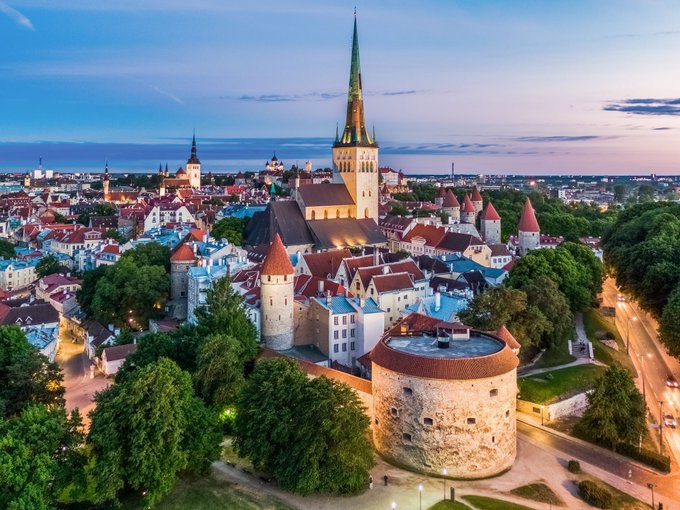

Reproduced with kind permission of Students for Liberty. You can find the original X thread at https://x.com/sfliberty/status/2063023739772559698?s=46, find them on X at https://x.com/sfliberty you can also find them online at https://studentsforliberty.org/.