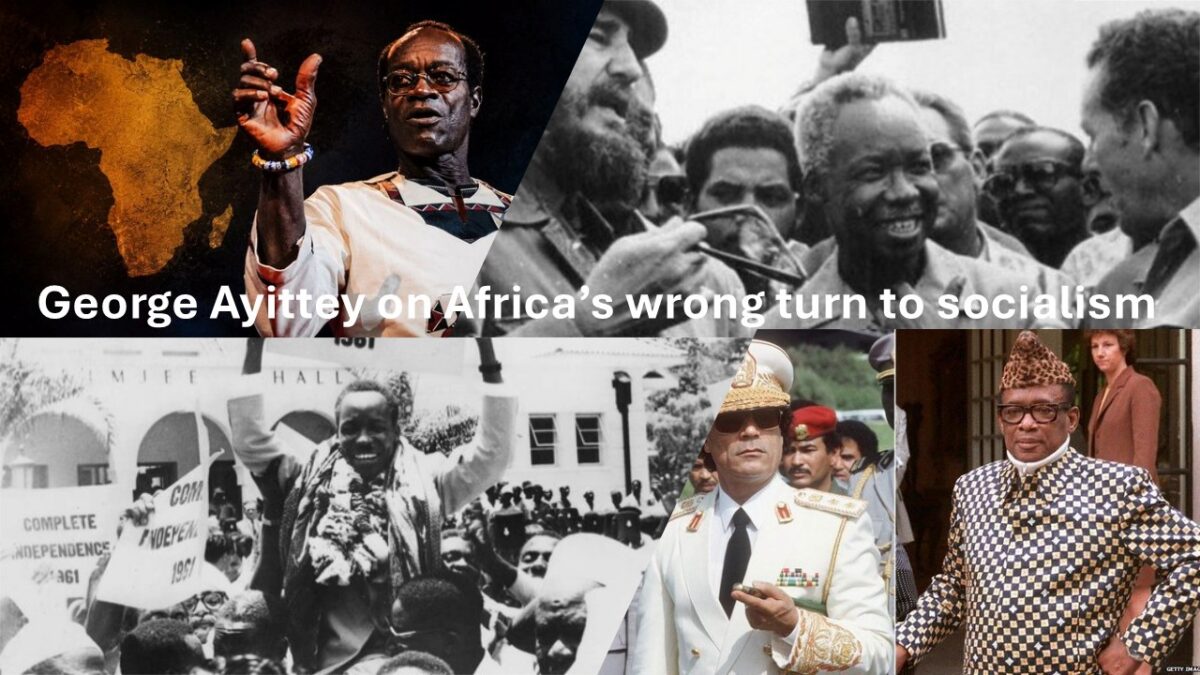
Students For Liberty write about Ghanaian economist George Ayittey and how American billionaires often founded the company that made them rich. However, in socialist-era Africa, the wealthiest people were heads of state and their ministers.
“In Ghana, Nkrumah’s government built 64 state enterprises before his overthrow in February 1966. Only three or four were profitable”
In 1960, newly independent African leaders had a choice: capitalism or socialism. Almost all of them picked socialism. A Ghanaian economist named George Ayittey spent forty years documenting what happened next. His findings are in print, and almost nobody outside Africa wants to hear them.
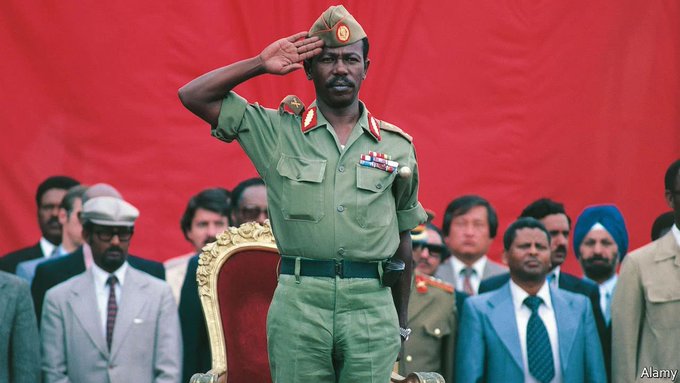
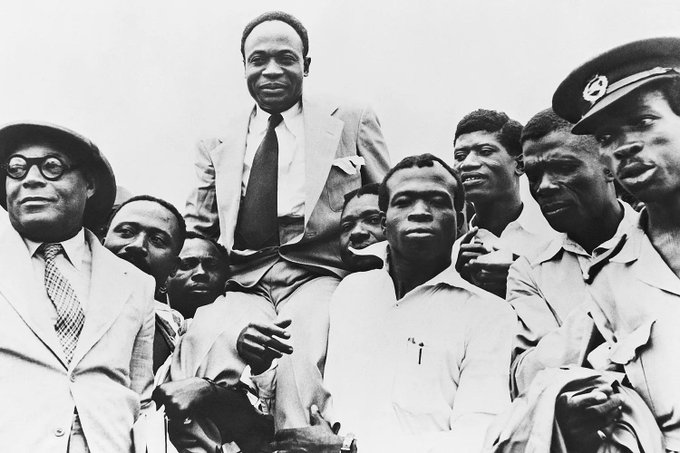
The reasoning in 1960 looked airtight. Colonialism had been run by Western capitalists. So capitalism was a tool of oppression. Socialism, its opposite, would be the path to liberation. Kwame Nkrumah in Ghana, Julius Nyerere in Tanzania, Sékou Touré in Guinea, Mengistu Haile Mariam in Ethiopia, and Robert Mugabe in Zimbabwe all reached the same conclusion through the same logic.
The logic was tidy. The results were catastrophic. In Ghana, Nkrumah’s government built 64 state enterprises before his overthrow in February 1966. Only three or four were profitable. By 1970, the Ghanaian state was setting prices on nearly 6,000 items across more than 700 product groups.
“By 1976, the state had relocated more than 11 million peasants into roughly 8,000 collective villages. Much of the relocation was done at gunpoint”
In Tanzania, Julius Nyerere called the program ujamaa, a Swahili word for familyhood. By 1976, the state had relocated more than 11 million peasants into roughly 8,000 collective villages. Much of the relocation was done at gunpoint. Government bulldozers flattened old houses so families could not return.

Tanzania exported 540,000 tons of maize in 1970. By 1974 it was importing 300,000 tons. Within a few years a country that had been able to feed itself was depending on Western grain shipments to survive.
“Out of a population of 5.5 million, about 2 million Guineans fled the country. The richest territory in French West Africa ended up importing food it once exported”
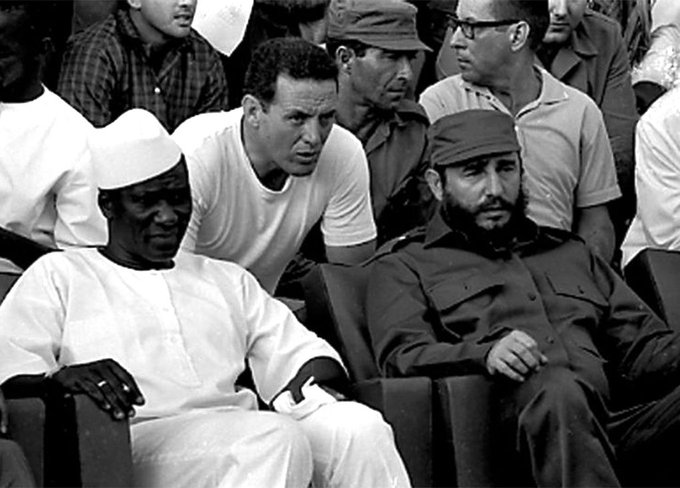
In Guinea, Sékou Touré made unauthorized trade a criminal offense. Smuggling could be punished by death. Out of a population of 5.5 million, about 2 million Guineans fled the country. The richest territory in French West Africa ended up importing food it once exported.
Ayittey then asked the question he considered most important. How do the rich get rich in the United States compared to Africa? In the United States, the wealthiest people are builders. Elon Musk built Tesla and SpaceX. Jeff Bezos built Amazon. Roughly two thirds of American billionaires founded the company that made them rich.
In socialist-era Africa, the wealthiest people were heads of state and their ministers.
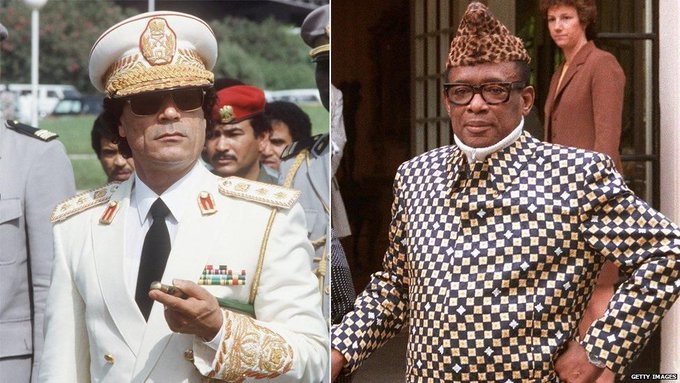
- Mobutu Sese Seko of Zaire (now the Democratic Republic of Congo): estimates of stolen wealth ranged from 1 to 5 billion dollars.
- Sani Abacha of Nigeria: around 5 billion.
- Ibrahim Babangida of Nigeria: roughly 12 billion.
- Hosni Mubarak of Egypt: estimates ran as high as 40 billion.
- Muammar Gaddafi of Libya: estimates reached 200 billion.
Ayittey put it plainly. The combined net worth of every American president from George Washington through Barack Obama, all 43 of them, was about 2.7 billion dollars in 2010 figures. Sani Abacha alone stole more than that in five years in office. African socialism built a ruling class that created nothing and extracted everything.
“Roughly two thirds of American billionaires founded the company that made them rich. In socialist-era Africa, the wealthiest people were heads of state and their ministers”
The argument Ayittey most wanted Africans to hear, and the one almost nobody quotes, is that socialism was never African. Pre-colonial Africa had open markets, long-distance trade, and private enterprise. Cloth-weaving, iron and gold smelting, regional commerce. Property was held by extended families and clans, not by the state.
Nyerere and his peers took kinship-based property and relabelled it communism. They confused village solidarity with state ownership. They imported a nineteenth-century European industrial ideology and applied it to agricultural societies that already had functioning markets older than the modern European state. Shortages, political prisons, and a parasitic ruling class followed.
South Africa in 2026 is preparing the same policies. The Expropriation Act was signed in January 2025. The MK Party introduced a constitutional amendment bill this April to push land restitution claims back to 1652 and remove compensation from the property clause.
Zimbabwe ran this experiment in 2000. Tobacco export earnings fell from 600 million dollars to 175 million by 2009. Maize production did not return to pre-seizure levels until 2017.
Ayittey warned about this for thirty years. He died in January 2022. South Africa is doing it anyway.
“Zimbabwe ran this experiment in 2000. Tobacco export earnings fell from 600 million dollars to 175 million by 2009”

Reproduced with kind permission of Students for Liberty. You can find the original X thread at https://x.com/sfliberty/status/2070649595445584346, find them on X at https://x.com/sfliberty you can also find them online at https://studentsforliberty.org/.