It used to be that we knew the difference between our major political parties and what each one stood for. After 14 years of Conservative government we had record high taxes, spending and immigration. We also saw Net Zero policies that gave the state greater control over private activity, a steady stream of bans and nanny-state measures, and a significant clampdown on free speech. The Liberal Democrats supported many of these policies while in the coalition and have since pushed for even more restrictive ones in opposition. The Labour government that took office in 2024 doubled down on every one of these areas.
However, the Conservatives are now changing tack in many areas from the policies they pursued in office. Andy Burnham signals a change in style, rhetoric and, increasingly, some policy areas from the first two years of the Labour government. In local and devolved government we still see clear differences in the practices of the established parties. At the same time, Reform and Green administrations in local government often appear to align more with previous councils than they differ from them.
Join Hugo Timms, Staff Writer at Spiked Online, and a guest TBC, for a lively debate on the question: Are we run by a Uni-Party?
Politics in Pubs – London The Warwick, 25 Warwick Way Monday 21st September, 7pm.
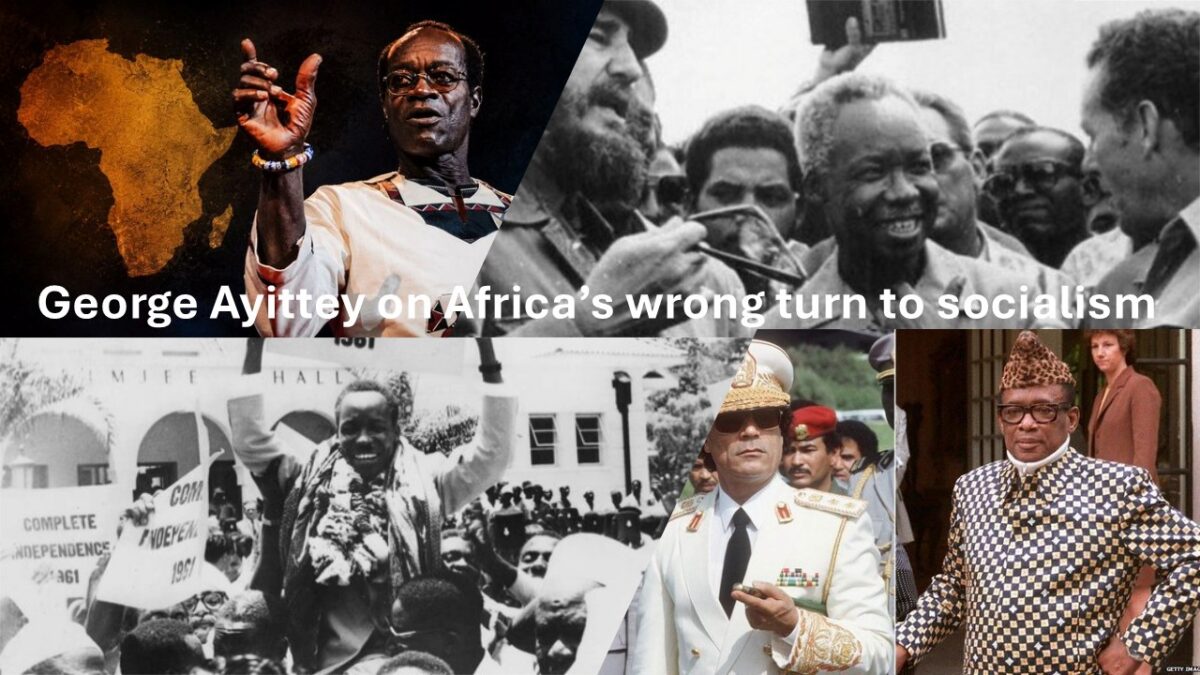
Students For Liberty write about Ghanaian economist George Ayittey and how American billionaires often founded the company that made them rich. However, in socialist-era Africa, the wealthiest people were heads of state and their ministers.
“In Ghana, Nkrumah’s government built 64 state enterprises before his overthrow in February 1966. Only three or four were profitable”
In 1960, newly independent African leaders had a choice: capitalism or socialism. Almost all of them picked socialism. A Ghanaian economist named George Ayittey spent forty years documenting what happened next. His findings are in print, and almost nobody outside Africa wants to hear them.
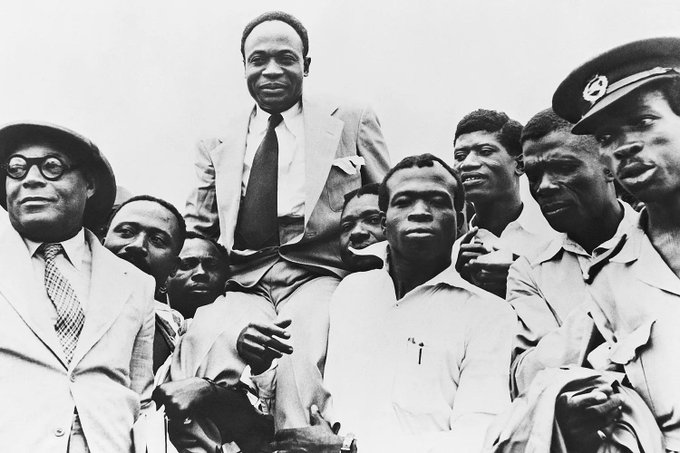
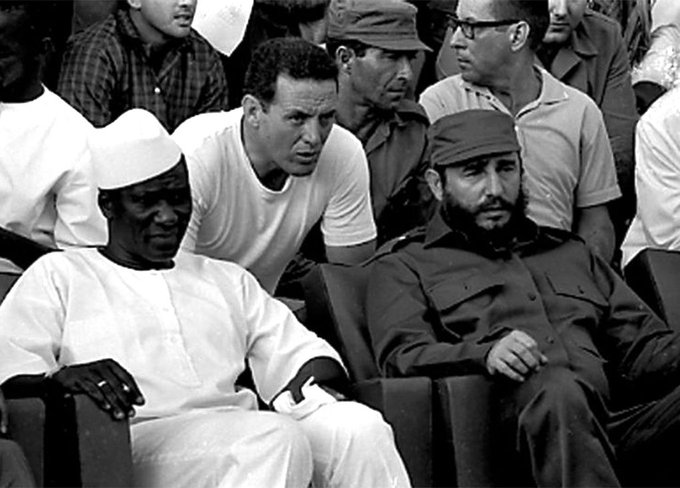
The reasoning in 1960 looked airtight. Colonialism had been run by Western capitalists. So capitalism was a tool of oppression. Socialism, its opposite, would be the path to liberation. Kwame Nkrumah in Ghana, Julius Nyerere in Tanzania, Sékou Touré in Guinea, Mengistu Haile Mariam in Ethiopia, and Robert Mugabe in Zimbabwe all reached the same conclusion through the same logic.
The logic was tidy. The results were catastrophic. In Ghana, Nkrumah’s government built 64 state enterprises before his overthrow in February 1966. Only three or four were profitable. By 1970, the Ghanaian state was setting prices on nearly 6,000 items across more than 700 product groups.
“By 1976, the state had relocated more than 11 million peasants into roughly 8,000 collective villages. Much of the relocation was done at gunpoint”
In Tanzania, Julius Nyerere called the program ujamaa, a Swahili word for familyhood. By 1976, the state had relocated more than 11 million peasants into roughly 8,000 collective villages. Much of the relocation was done at gunpoint. Government bulldozers flattened old houses so families could not return.
Tanzania exported 540,000 tons of maize in 1970. By 1974 it was importing 300,000 tons. Within a few years a country that had been able to feed itself was depending on Western grain shipments to survive.
“Out of a population of 5.5 million, about 2 million Guineans fled the country. The richest territory in French West Africa ended up importing food it once exported”
In Guinea, Sékou Touré made unauthorized trade a criminal offense. Smuggling could be punished by death. Out of a population of 5.5 million, about 2 million Guineans fled the country. The richest territory in French West Africa ended up importing food it once exported.
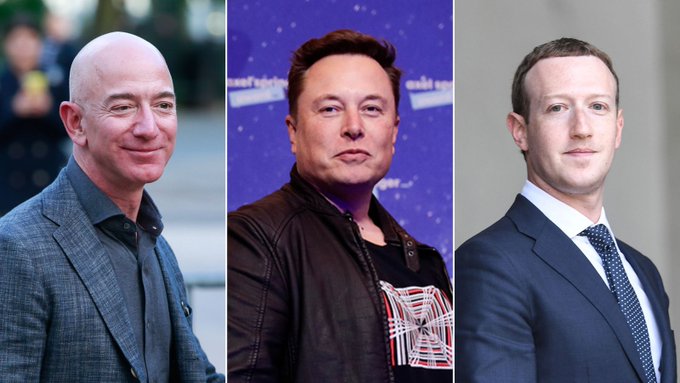
Ayittey then asked the question he considered most important. How do the rich get rich in the United States compared to Africa? In the United States, the wealthiest people are builders. Elon Musk built Tesla and SpaceX. Jeff Bezos built Amazon. Roughly two thirds of American billionaires founded the company that made them rich.
In socialist-era Africa, the wealthiest people were heads of state and their ministers.
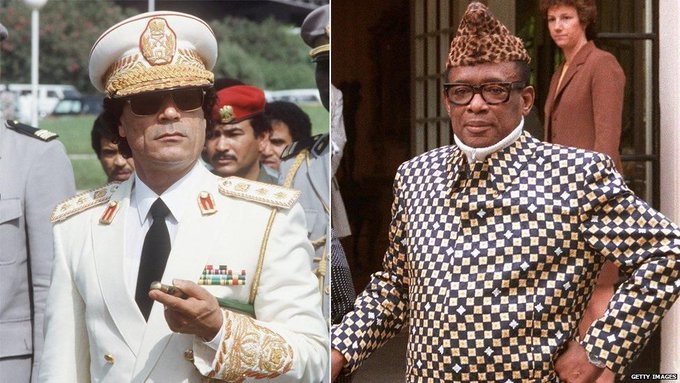
Mobutu Sese Seko of Zaire (now the Democratic Republic of Congo): estimates of stolen wealth ranged from 1 to 5 billion dollars.
Sani Abacha of Nigeria: around 5 billion.
Ibrahim Babangida of Nigeria: roughly 12 billion.
Hosni Mubarak of Egypt: estimates ran as high as 40 billion.
Muammar Gaddafi of Libya: estimates reached 200 billion.
Ayittey put it plainly. The combined net worth of every American president from George Washington through Barack Obama, all 43 of them, was about 2.7 billion dollars in 2010 figures. Sani Abacha alone stole more than that in five years in office. African socialism built a ruling class that created nothing and extracted everything.
“Roughly two thirds of American billionaires founded the company that made them rich. In socialist-era Africa, the wealthiest people were heads of state and their ministers”
The argument Ayittey most wanted Africans to hear, and the one almost nobody quotes, is that socialism was never African. Pre-colonial Africa had open markets, long-distance trade, and private enterprise. Cloth-weaving, iron and gold smelting, regional commerce. Property was held by extended families and clans, not by the state.
Nyerere and his peers took kinship-based property and relabelled it communism. They confused village solidarity with state ownership. They imported a nineteenth-century European industrial ideology and applied it to agricultural societies that already had functioning markets older than the modern European state. Shortages, political prisons, and a parasitic ruling class followed.
South Africa in 2026 is preparing the same policies. The Expropriation Act was signed in January 2025. The MK Party introduced a constitutional amendment bill this April to push land restitution claims back to 1652 and remove compensation from the property clause.
Zimbabwe ran this experiment in 2000. Tobacco export earnings fell from 600 million dollars to 175 million by 2009. Maize production did not return to pre-seizure levels until 2017.
Ayittey warned about this for thirty years. He died in January 2022. South Africa is doing it anyway.
“Zimbabwe ran this experiment in 2000. Tobacco export earnings fell from 600 million dollars to 175 million by 2009”
Students For Liberty write on how the end of price controls helped drive Germany’s post war recovery.
“Cigarettes served as currency. Shops were empty because the real economy had moved to the black market”
In 1948, a German economist abolished the price controls that the Nazis had created, and the Allies and most of Germany’s own experts wanted to keep. They told him it was madness.
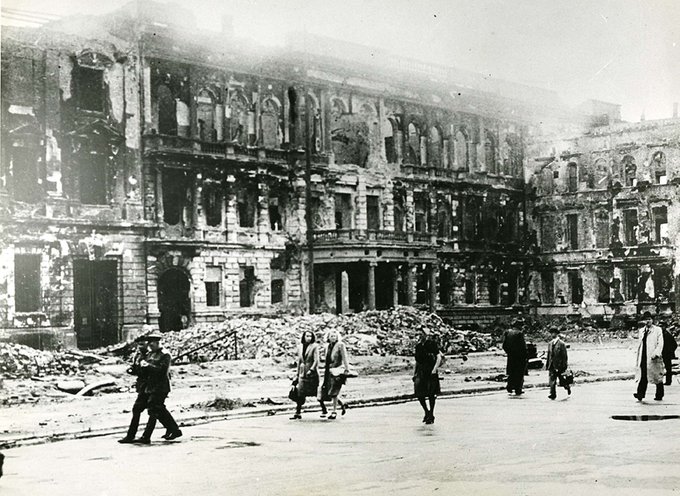
The setting: Germany, three years after the war. Twenty percent of housing destroyed. Official food rations ran between 1,040 and 1,550 calories a day. Cigarettes served as currency. Shops were empty because the real economy had moved to the black market.
Germans had lived under price controls for twelve years. Adolf Hitler imposed them in 1936 so his government could buy war materials cheap. Hermann Goering added rationing in 1939. Under the Nazis, breaking price controls could get you the death penalty.
“By 1947, the money supply was five times its 1936 level. Prices were still frozen. The obvious result was mass shortages”
In November 1945, the Allied Control Authority (the United States, Britain, France, and the Soviet Union) kept Hitler’s controls in place. By 1947, the money supply was five times its 1936 level. Prices were still frozen. The obvious result was mass shortages.
His name was Ludwig Erhard, economics director of the Anglo-American Bizone. He had refused to join the Nazi Association of University Teachers. During the war he wrote a memorandum outlining a postwar market economy, one that made his hope for a Nazi defeat clear.
Every serious voice said controls must stay. The Social Democratic Party wanted central direction. Labor unions agreed. The British authorities agreed. Most German manufacturers agreed. Even some Americans agreed. The memory of the 1923 hyperinflation made decontrol look reckless.
“Once the Deutsche Mark had real value and prices could move, the stockpiles came out of storage”
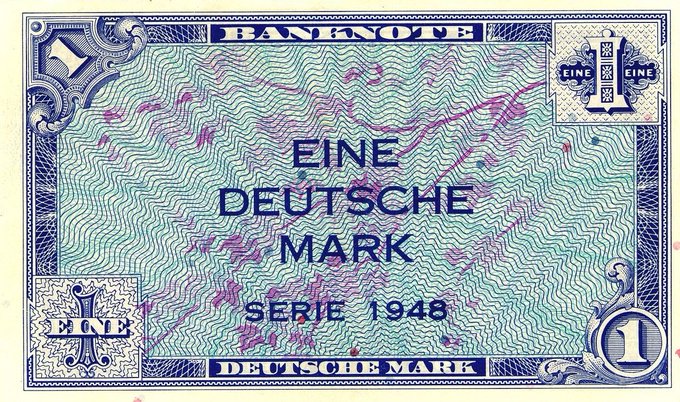
On Sunday, June 20, 1948, the currency reform introduced the Deutsche Mark. The same day, the Bizonal Economic Council passed a price decontrol law over Social Democratic opposition. Erhard spent the summer eliminating controls, allocations, and rations by directive.
By Monday, June 21, shop windows filled with goods that had “not existed” the week before. They had existed all along. Producers and traders had hoarded them because the old currency was worthless and controlled prices meant selling at a loss. Once the Deutsche Mark had real value and prices could move, the stockpiles came out of storage. The black market did not need to be dismantled. It moved into the shops.
That July, U.S. General Lucius Clay called him in. Clay: “Herr Erhard, my advisers tell me what you have done is a terrible mistake. What do you say to that?” Erhard: “Herr General, pay no attention to them! My advisers tell me the same thing.”
In June, industrial production sat at 51 percent of its 1936 level. By December, it had climbed to 78 percent. Absenteeism fell from 9.5 hours per week in May to 4.2 hours by October. Yale economist Henry Wallich later wrote that “the spirit of the country changed overnight.”
Germans call this the Wirtschaftswunder, the economic miracle. It had a mechanism. Twelve years of price controls had held down a working economy. Erhard removed the controls, and the economy came back. What made him rare was refusing to defer to every credentialed voice in the room.
“In June, industrial production sat at 51 percent of its 1936 level. By December, it had climbed to 78 percent”
With the new Prime Minister waxing lyrical about devolution, no party above 30% in the polls, and spiralling government debt demanding tough choices, we ask: which democracy best serves us — Direct, Parliamentary, or Devolved?
Join Neil Petrie of The Direct Democracy Movement and Joanna Marchong the new Senior Analyst and Head of Campaigns at Onward for a lively debate.
Politics in Pubs – London The Warwick, 25 Warwick Way Monday 3rd August, 7pm.