When occasional discussions arise about what mix of British or world history we should teach in schools, given our multiethnic nation, I often wonder whether we should simply teach more about the Empire. The Empire and our global reach as a trading superpower extended across much of the globe; adding more of it into the curriculum would satisfy both a British and a global element in what is taught.
“asking a tour guide why it was a separate country from Argentina… only for me to discover that the reason was Britain”
Following on from Buenos Aires, I found myself in Montevideo, the capital of Uruguay, asking a tour guide why it was a separate country from Argentina. They had once been neighbouring Spanish provinces, only for me to discover that the reason was Britain.
The Spanish-speaking city had been annexed by Portuguese-speaking Brazil. It fought for independence, and following British mediation, in 1828 Uruguay became an independent state, deliberately created to act as a buffer between Argentina and Brazil, a de facto Netherlands or Belgium of South America.
“It is the most expensive but also the safest city in South America. Both of these were noticeable, yet the expense was still low enough that I mostly felt I was getting a bargain”
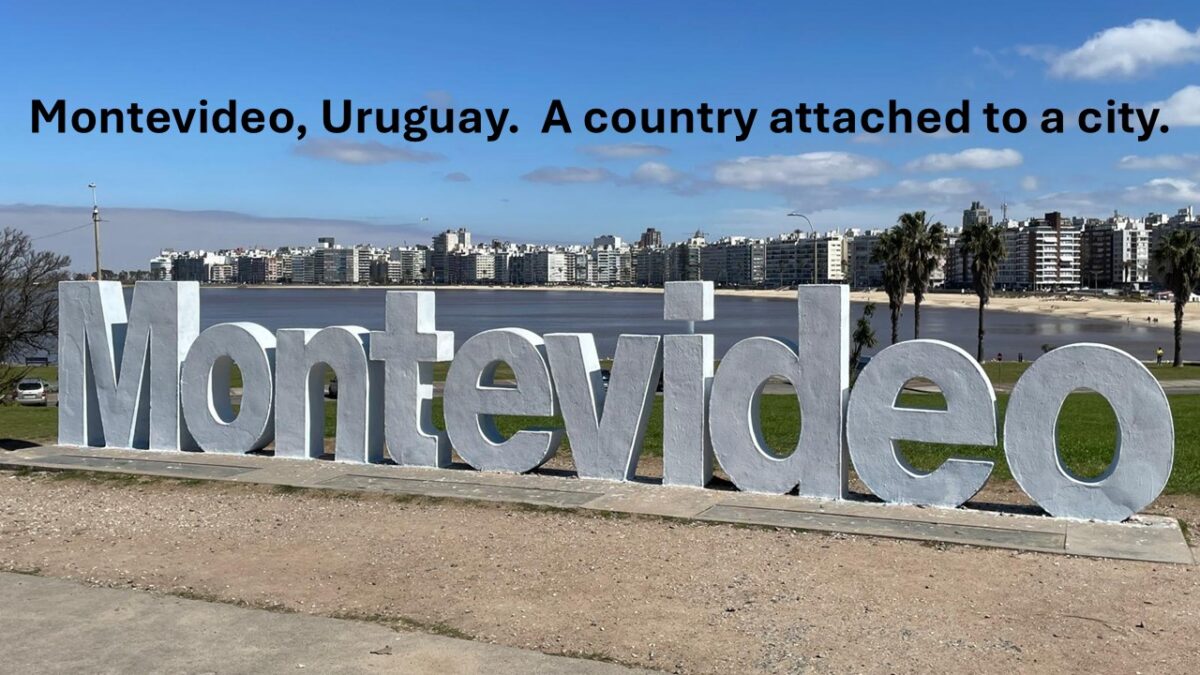
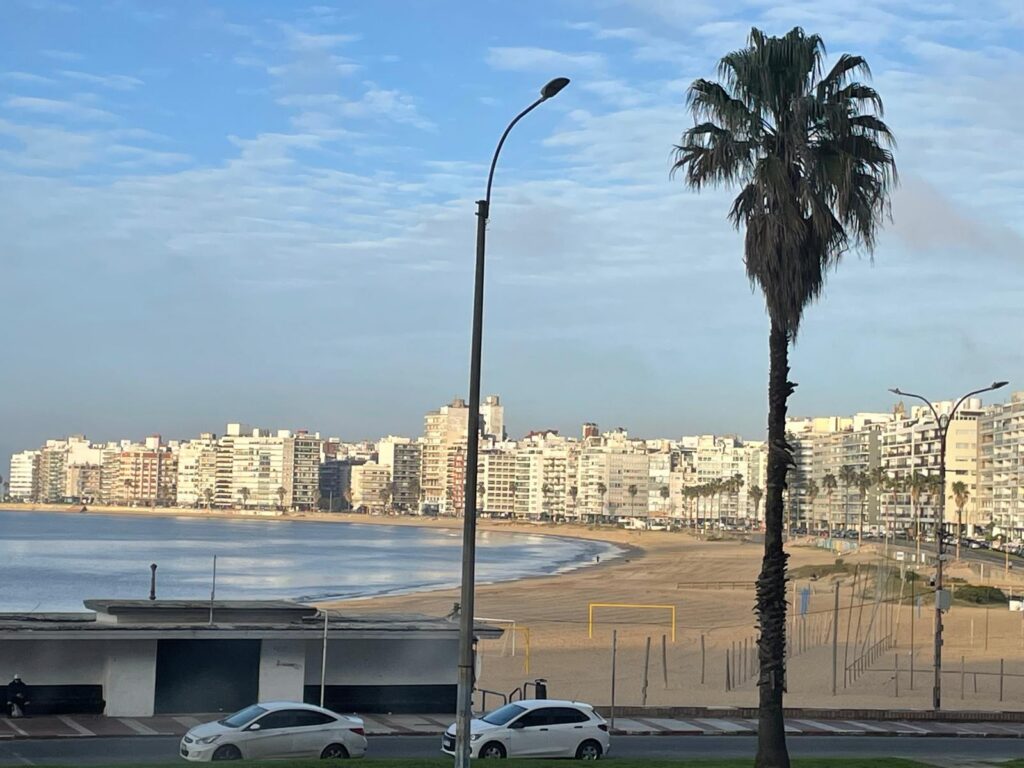
Uruguay is a country attached to a port on the River Plate, that port being Montevideo. The port accounts for more than 60% of the country’s total export value. The city accounts for 1.3 million people (almost 2 million in the wider metro area) of the country’s 3.5 million. It is the most expensive but also the safest city in South America. Both of these were noticeable, yet the expense was still low enough that I mostly felt I was getting a bargain.
Noticeably, Uruguay’s GDP per capita is higher, at roughly $25k versus $15k for Argentina in recent years. Until the late 1980s the reverse was true, but Uruguay has kept single-digit inflation and avoided the defaults of its neighbour. The city still has shanty towns, but you also notice that there are more houses and not just small towns or flats.
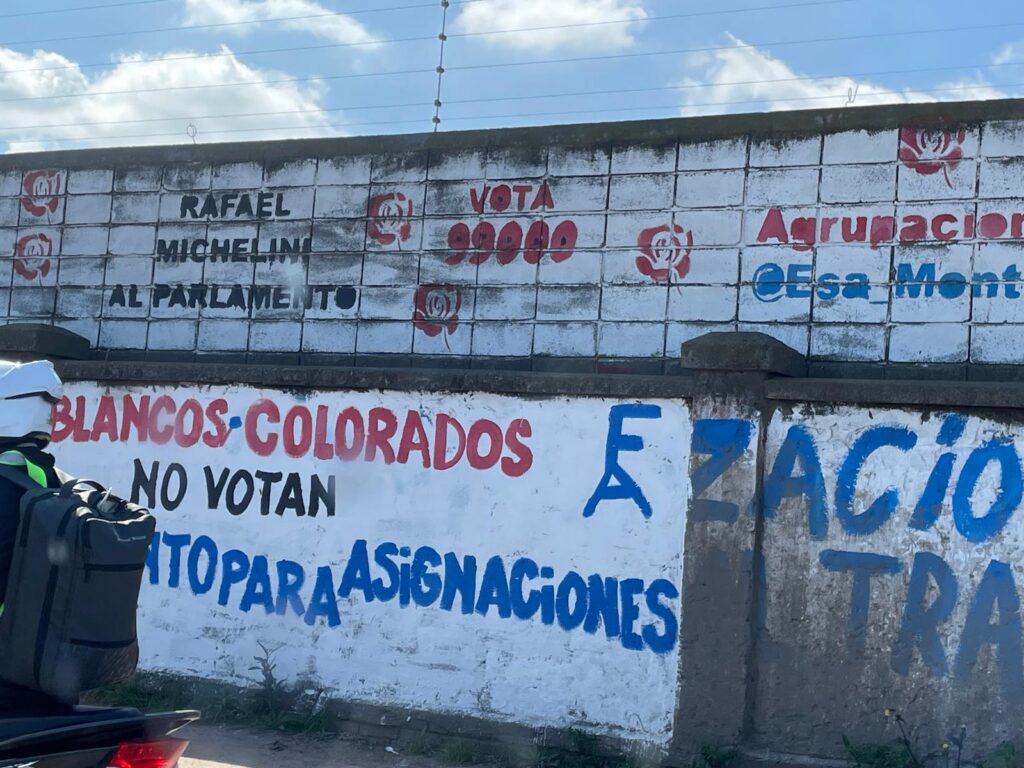
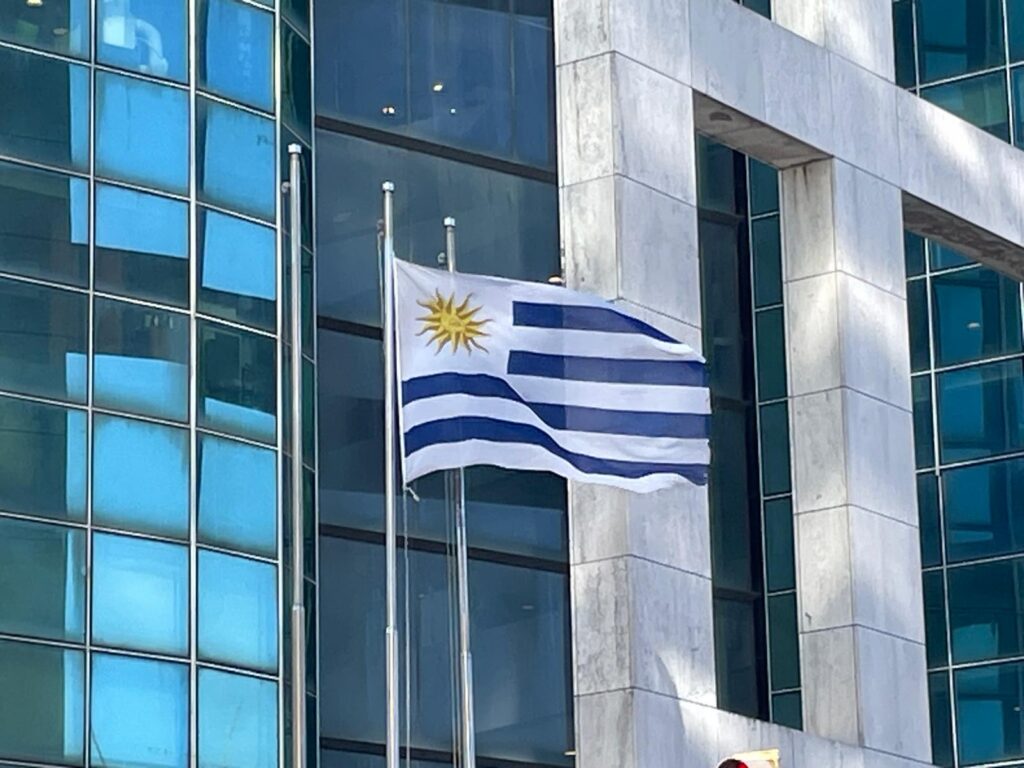
The city can be a mixed bag: a great vibe by the beach at Playa Malvín, but a city centre filled with great architecture yet surrounded by graffiti and poorly kept public space. The city’s main thoroughfares, however, didn’t have the overbearing police presence of Buenos Aires and felt safer for it. They were clearly a proud nation and were not shy about displaying their national flag.
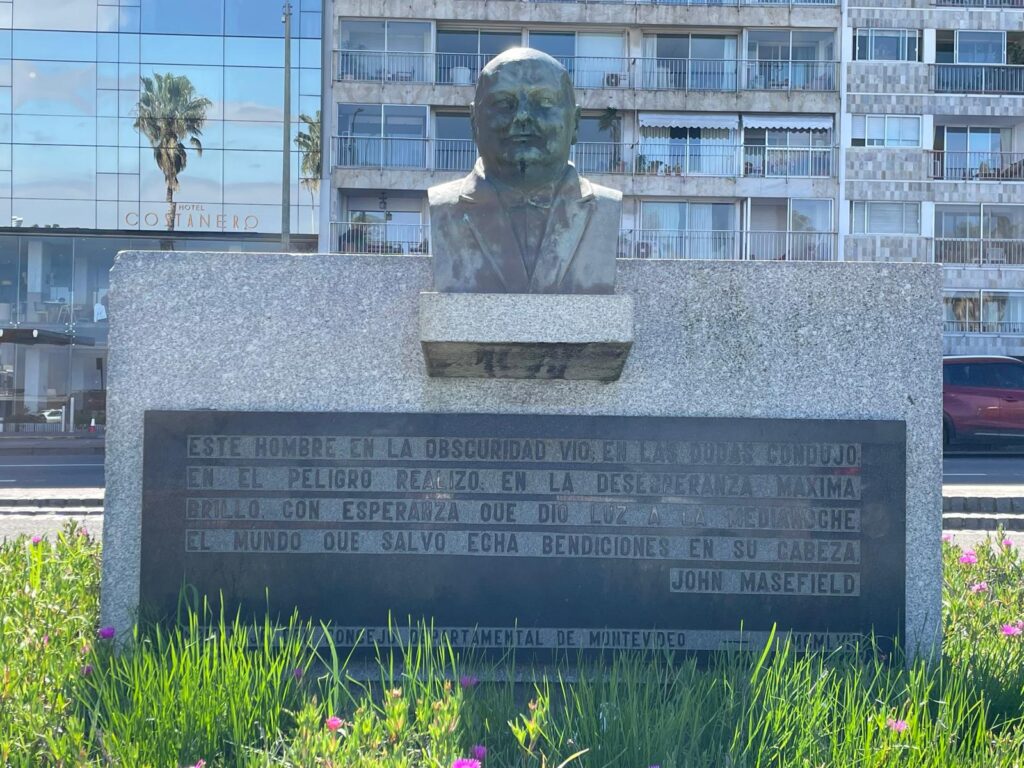
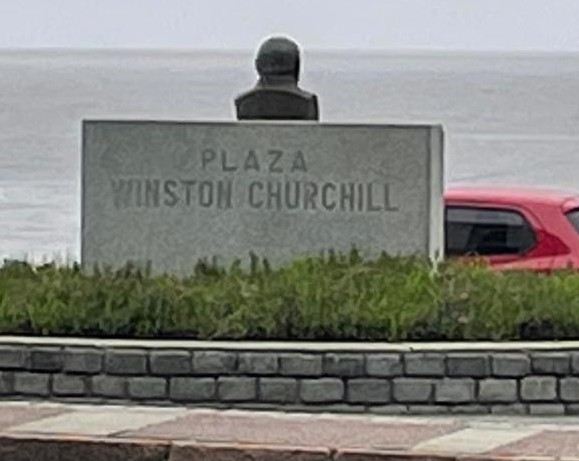
Plaza Winston Churchill
Named as a tribute for his World War II leadership and defence of freedom.
“with roughly one dog for every two people, man’s best friend may have a best friend in Uruguay”
My first trip was outside the city to a vineyard and winery. The driver, a proud Uruguayan, was keen to talk up the country at every point. When some stray dogs wandered across the road (and there were a lot of dogs), he informed us that “Uruguay had more dogs than people.” A quick search suggests this might not be true, but with roughly one dog for every two people, man’s best friend may have a best friend in Uruguay.
Numbers aren’t the only measure of friendship, and the ~12 million cows in the country support a beef export business and the local market. This compares with ~9 million cows in the UK. In Montevideo a reasonably priced decent steak was never difficult to find. The winery visit also proved that a reasonably priced decent wine was easy to find; everything I tasted — red, white and rosé — was of what I felt was a high standard.
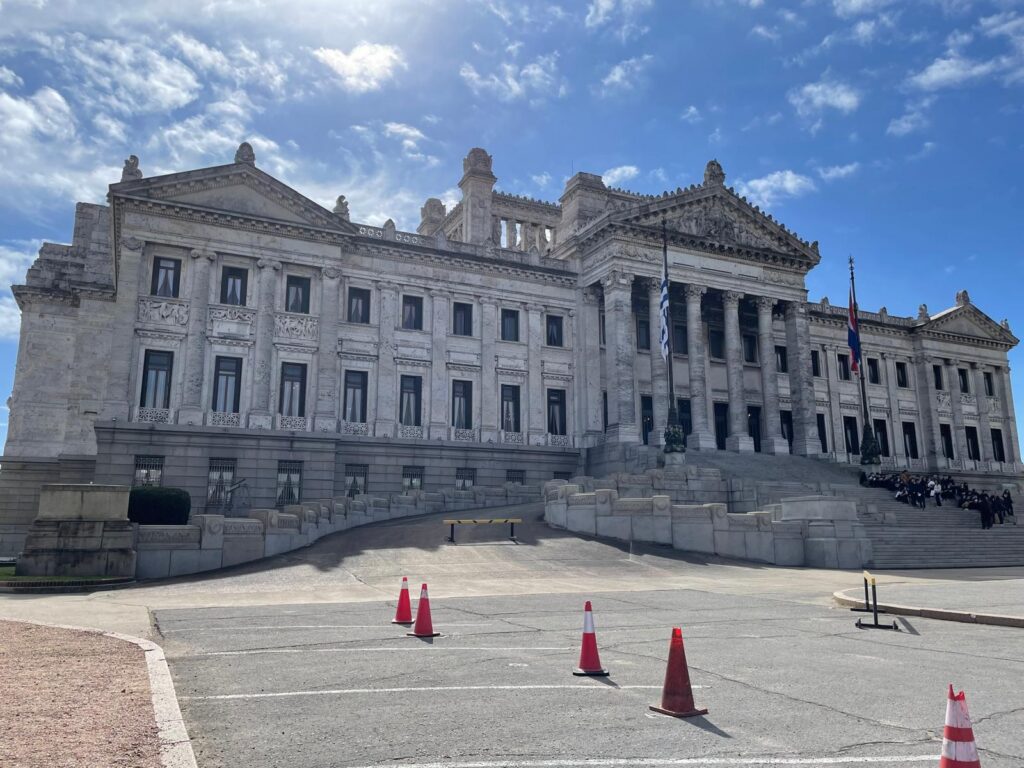
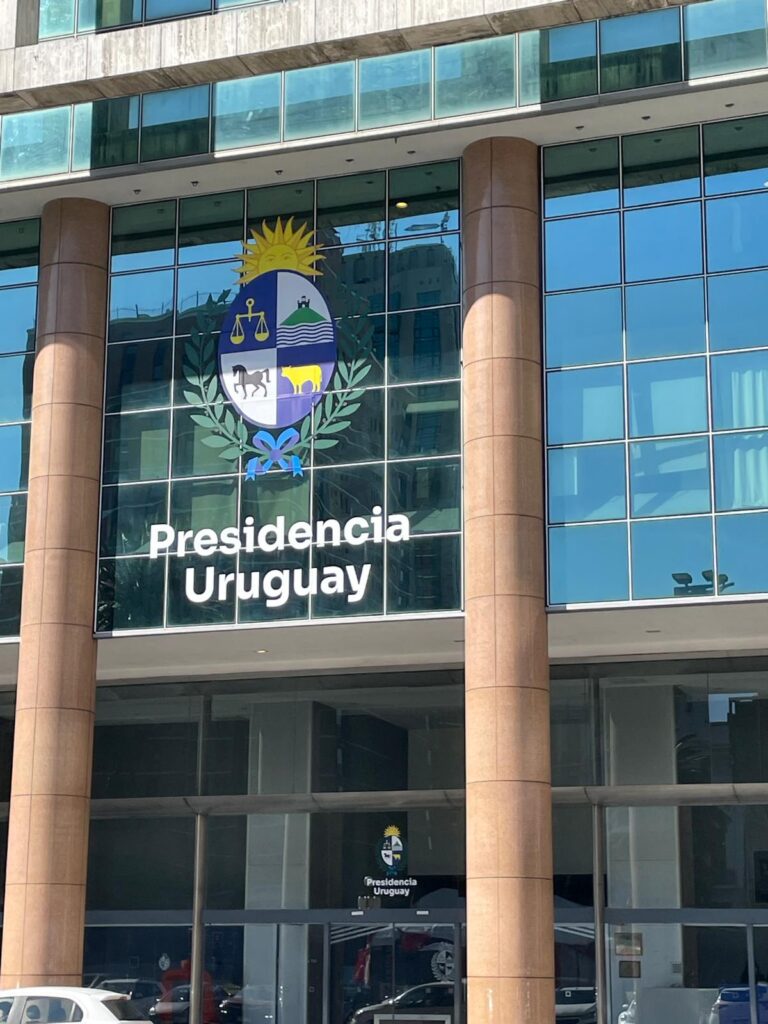
Of course, no trip to a capital is complete without a visit to its parliament. The Legislative Palace of Uruguay houses the Chamber of Senators and the Chamber of Representatives. While the main power is held by the President, the chambers run the legislative processes in a very similar way.
“In Montevideo a reasonably priced decent steak was never difficult to find. The winery visit also proved that a reasonably priced decent wine was easy to find”
The Chamber of Representatives comprises 99 members, who represent the 19 departments (regions) of the country. Each department has at least two seats, with the remainder apportioned by population. The Montevideo department has roughly half of them. The Chamber of Senators has 30 members elected on a proportional basis. Elections are held every five years, with voting mandatory. The parliament is an impressive building but is let down by its surroundings.
My short trip to Uruguay found a country much more at ease with itself and economically much healthier than its southern neighbour.