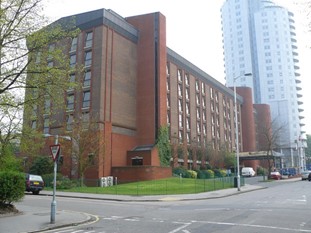
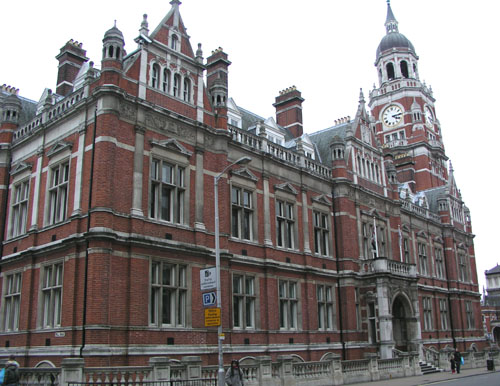
Most Croydon residents will have a memory of the Croydon Park Hotel, for me some its of work dos, a venue for giving blood and some slightly clandestine visits to the hotel bar conveniently situated in central Croydon but somewhere you’d be unlikely to bump into anyone you didn’t want to see. Pictures of the hotel still adorn travel sites, a reminder of what a great asset to the town the hotel was. Of course that was before lockdown and the benevolent hand of Croydon Council.
“sold at a loss of some £5 million. Ironically a loss of this magnitude is pretty small fry compared to the disaster that Croydon Council has been in recent years.”
News came this week that the hotel purchased by the council in 2018 has been sold at a loss of some £5 million. Ironically a loss of this magnitude is pretty small fry compared to the disaster that Croydon Council has been in recent years. The purchase was of course hailed as a great success at the time, the council was borrowing cheap money to make a strategic investment and return revenue to its overall budget. Of course things didn’t workout quite as planned, to quote Croydon council’s internal auditors:
“The investments in The Colonnades and Croydon Park Hotel were not grounded in a sufficient understanding of the retail and leisure market and have again illustrated that the Council’s strategy to invest its way out of financial challenge rather than pay attention to controlling expenditure on core services was inherently flawed.”
It is easy to be clever after the event, who could have known at the time the things would go so badly wrong? Well whilst no one likes a ‘told you so’, we, err, ‘told you so’. Writing about the hotel purchase together with the purchase of the Colonnade shopping centre in March 2019 we were able to point out the council has no expertise in running commercial property, we calculated the investments only needed a 3% downturn in revenue for taxpayers to be burdened with the costs of servicing the debts funding these projects. Indeed the council has now confirmed the hotel itself had a running cost of £610,000 a year without even being used as a hotel.
Who knows what would have happened without the pandemic but this was foreseeable. The council had already undertaken an upgrade to the famous Surrey Street Market at a cost of 1.1 million resulting in a lost of both casual and permanent traders, costing over £91,000 per trader lost.
I’m reminded, as is often the case with our local authority of Ronald Regan’s famous line that “The nine most terrifying words in the English language are, “I’m from the Government and I’m here to help”.
“it removes the conflict of interest, where the council gives planning permission for, and permits licensing of businesses it’s in competition with”
If any good comes from this aside from removing the ongoing running costs from the council, is that it removes the conflict of interest, where the council gives planning permission for, and permits licensing of businesses it’s in competition with. Let’s hope Croydon Council will now stay out of commerce, and instead focus on just doing its basic job right.
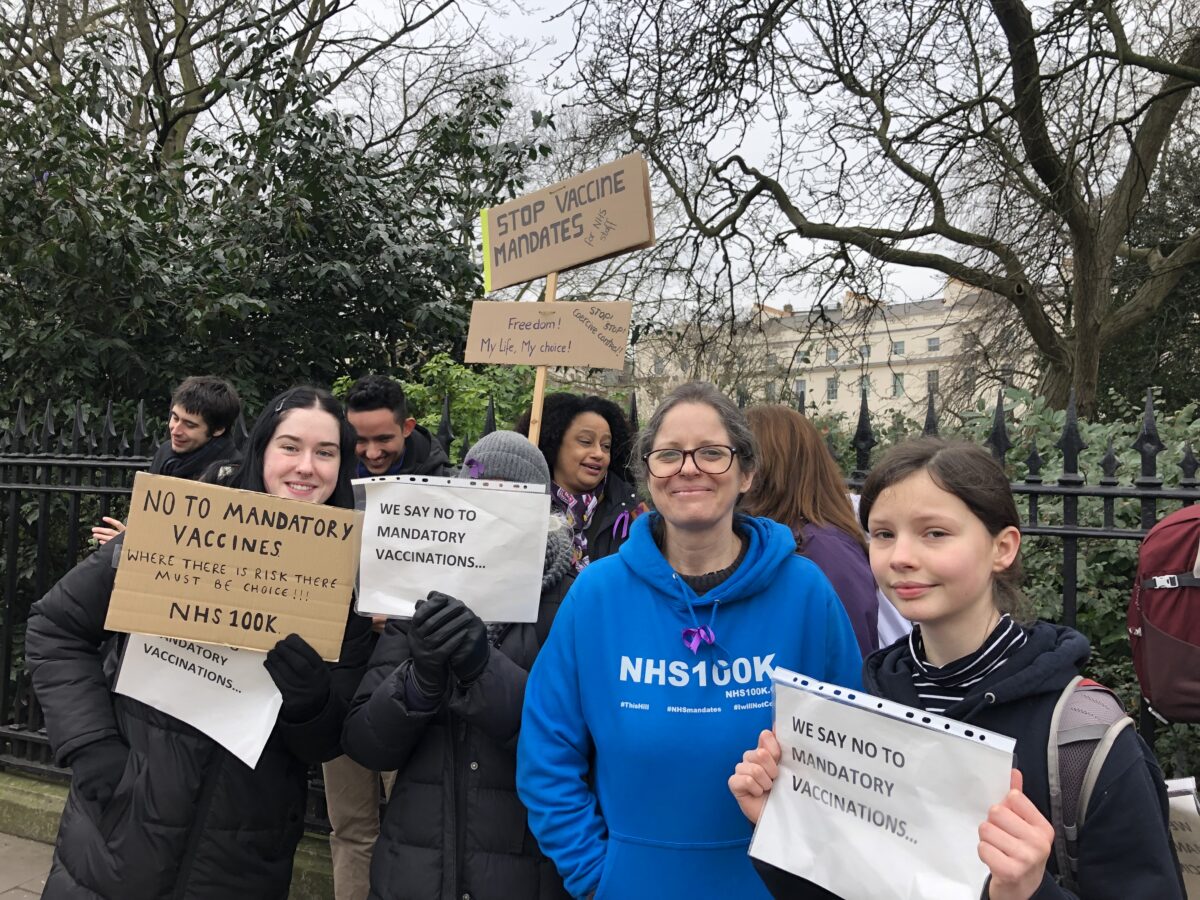
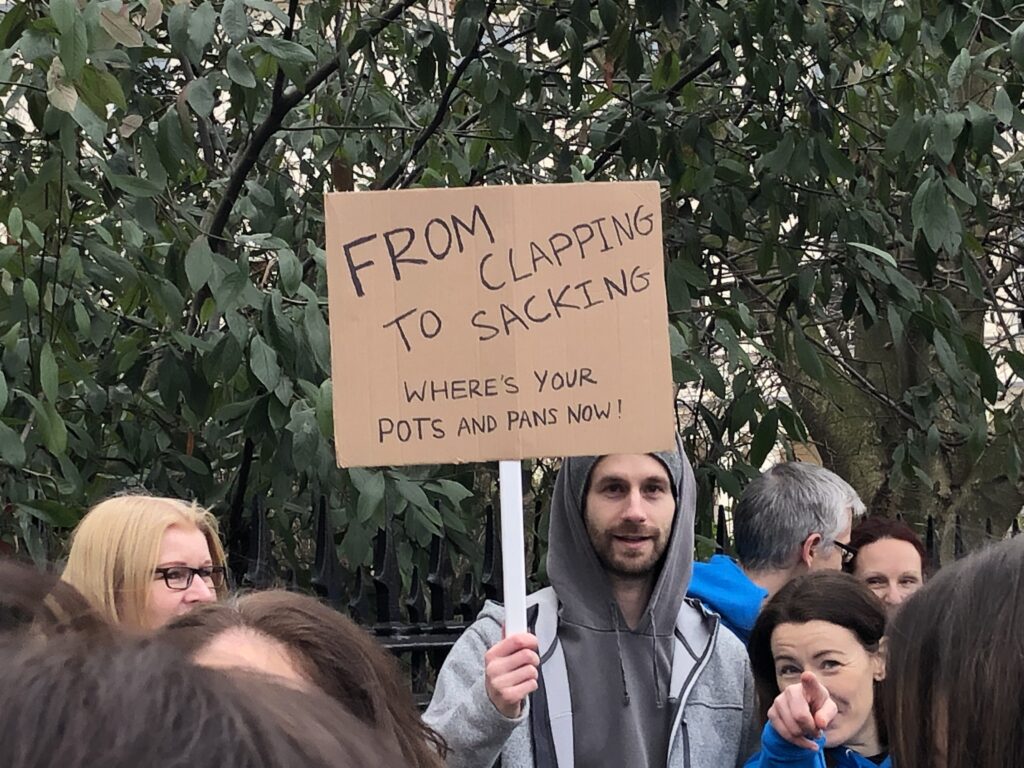
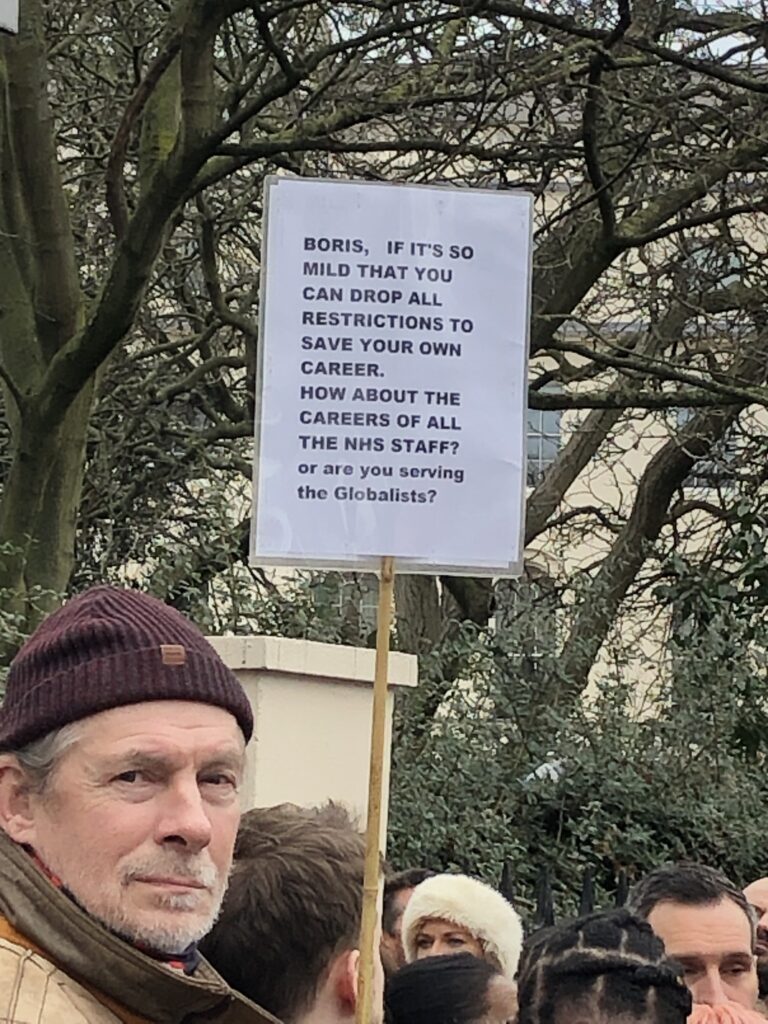
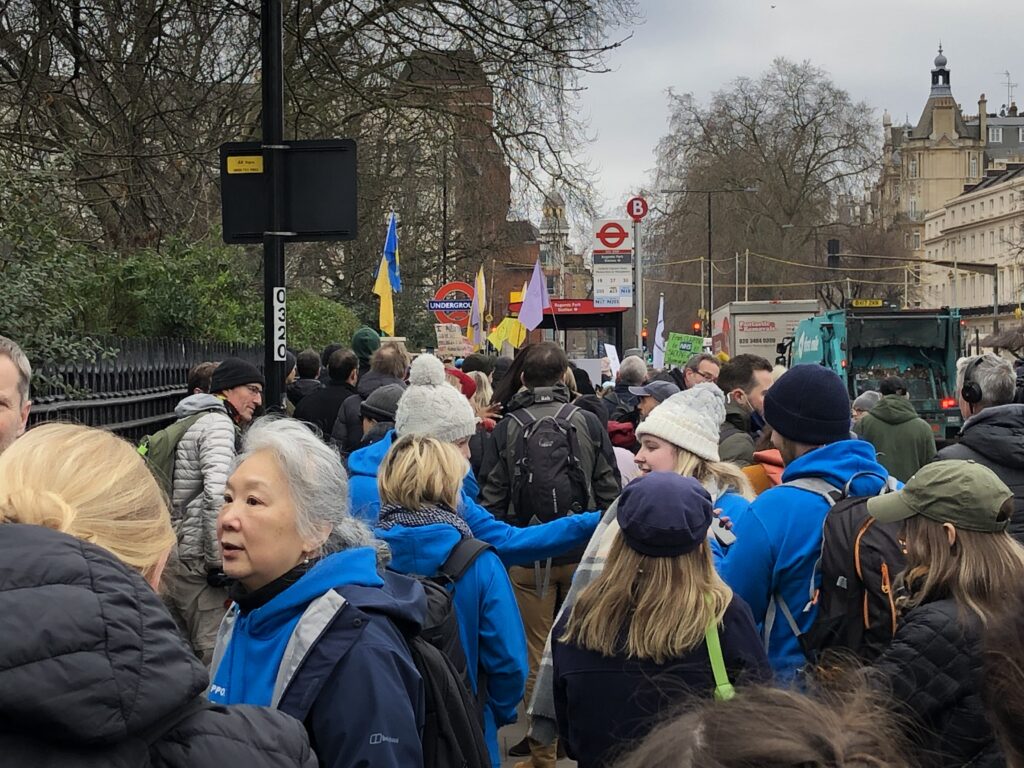
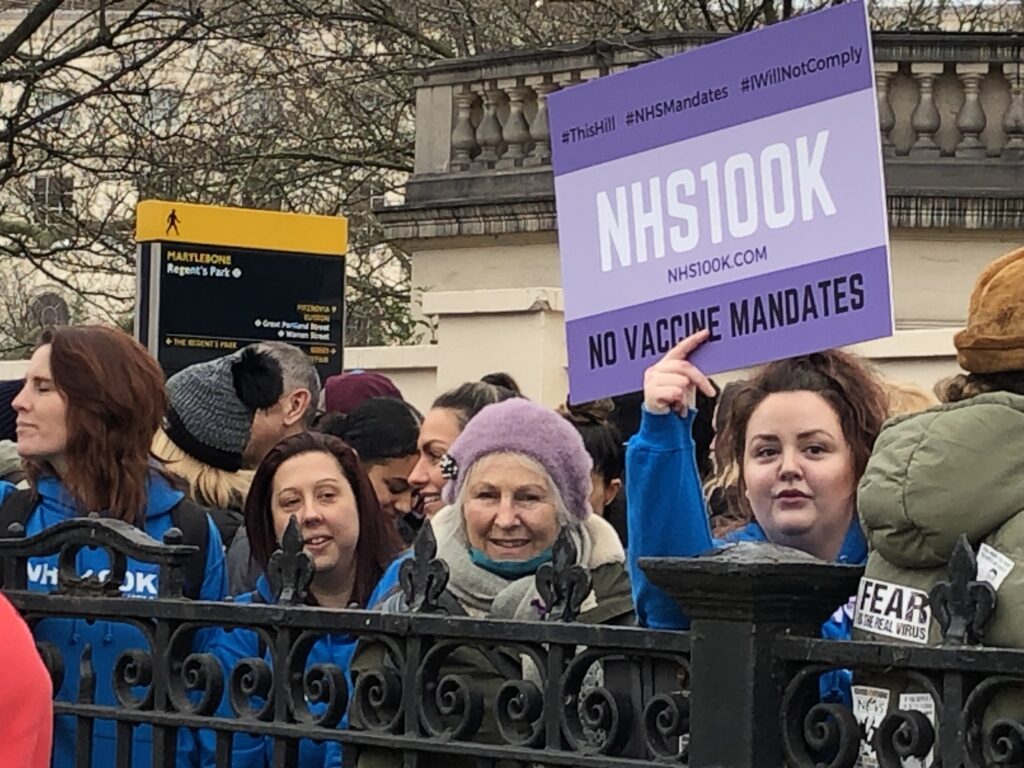
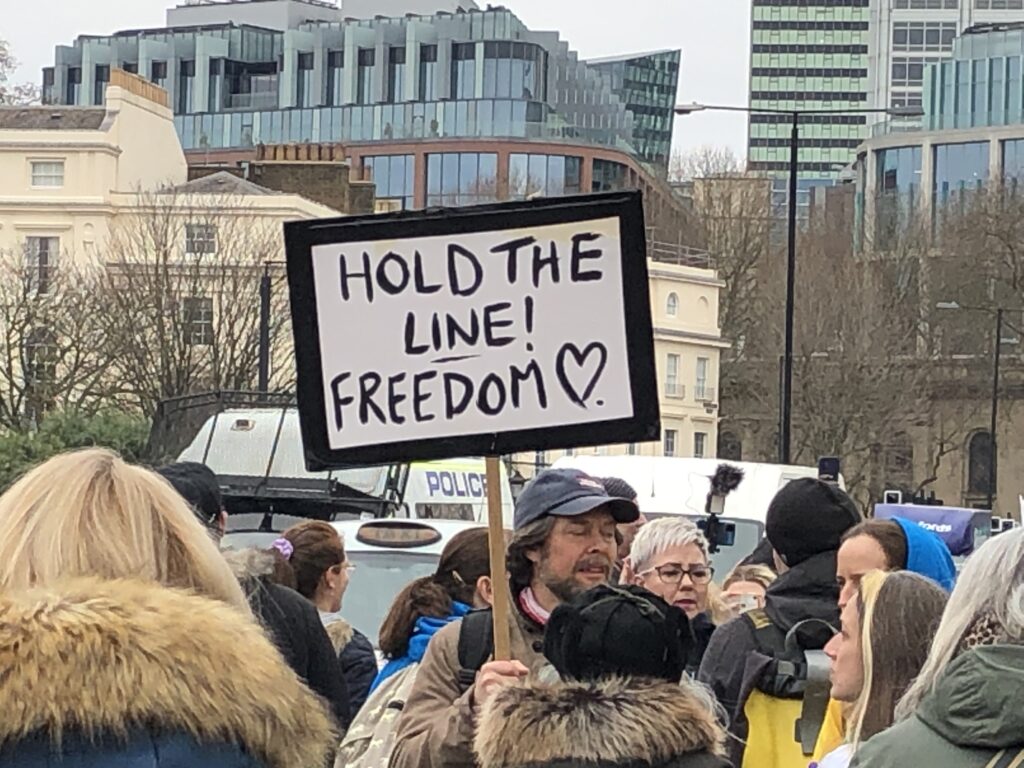
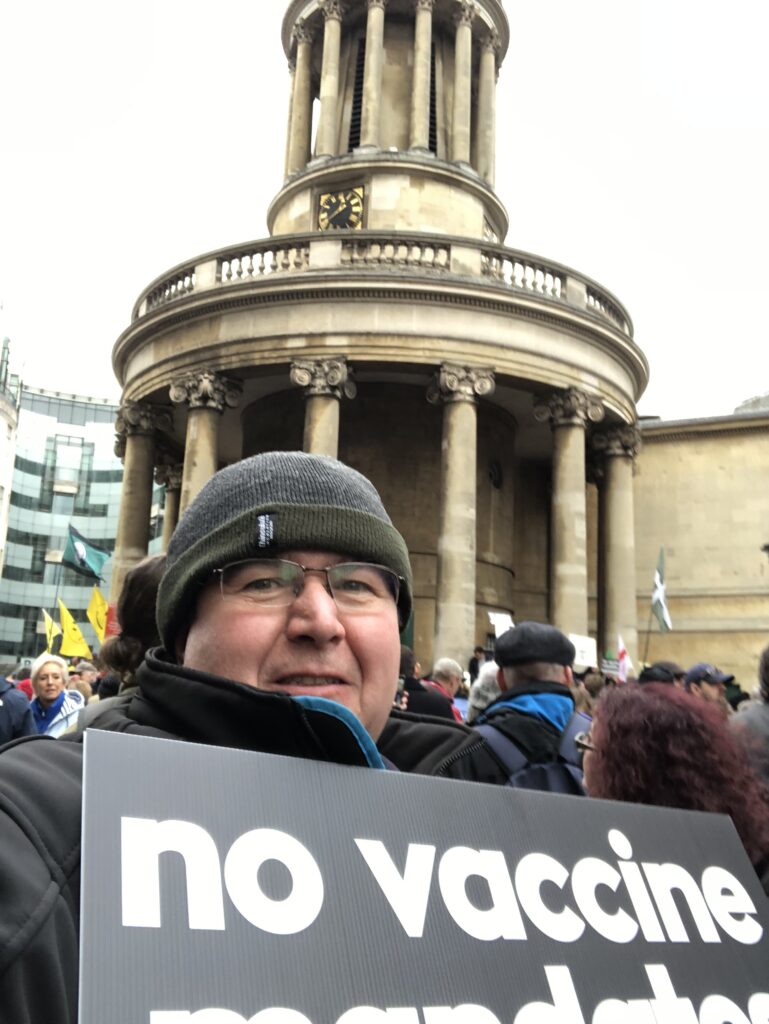
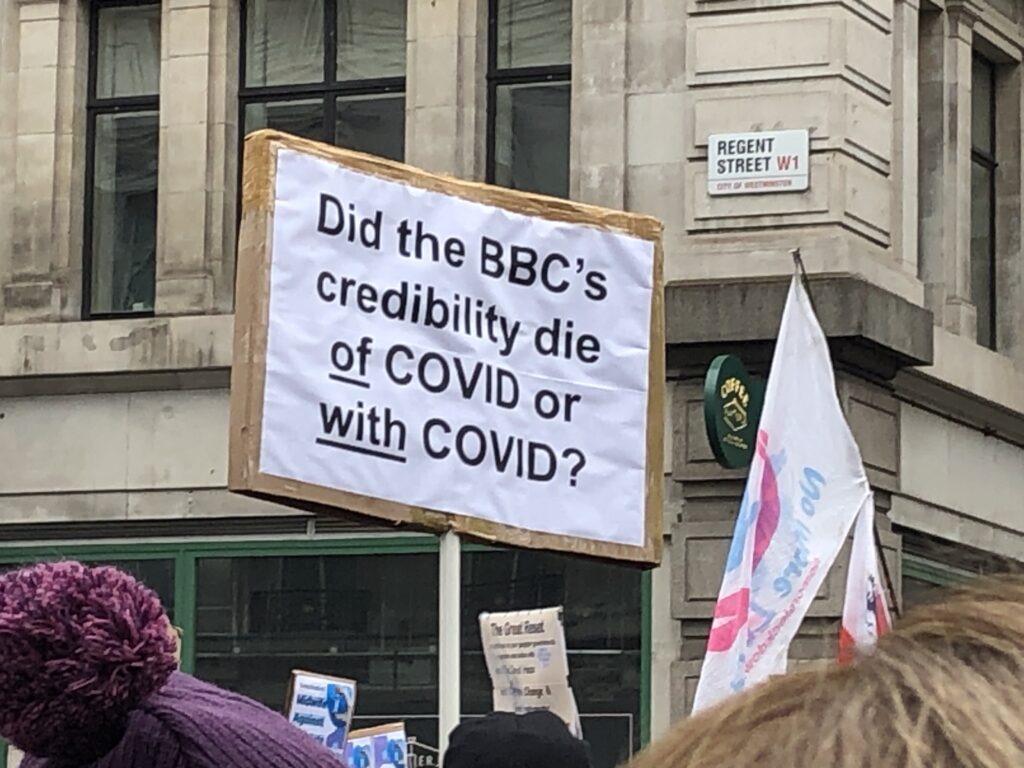
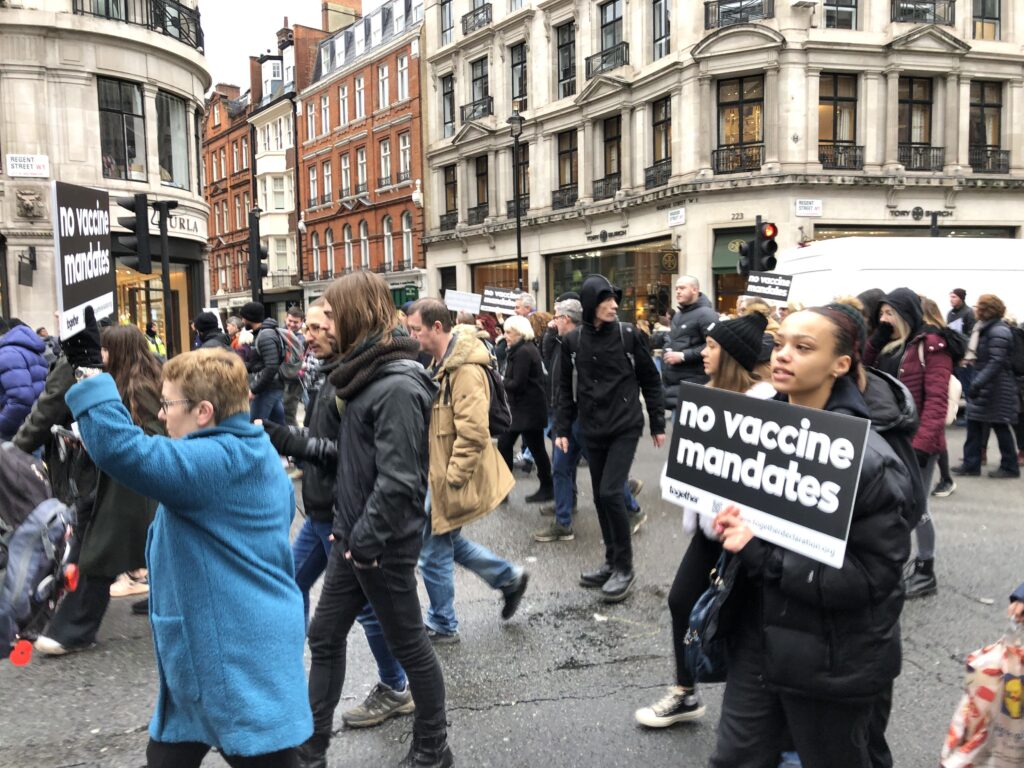
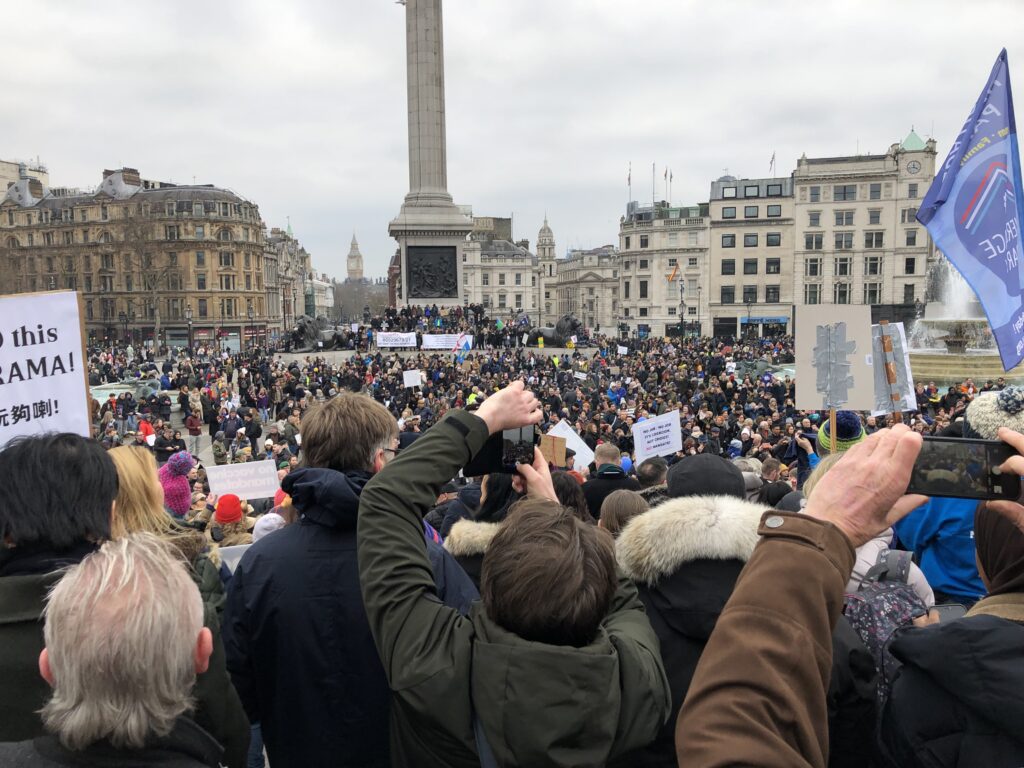
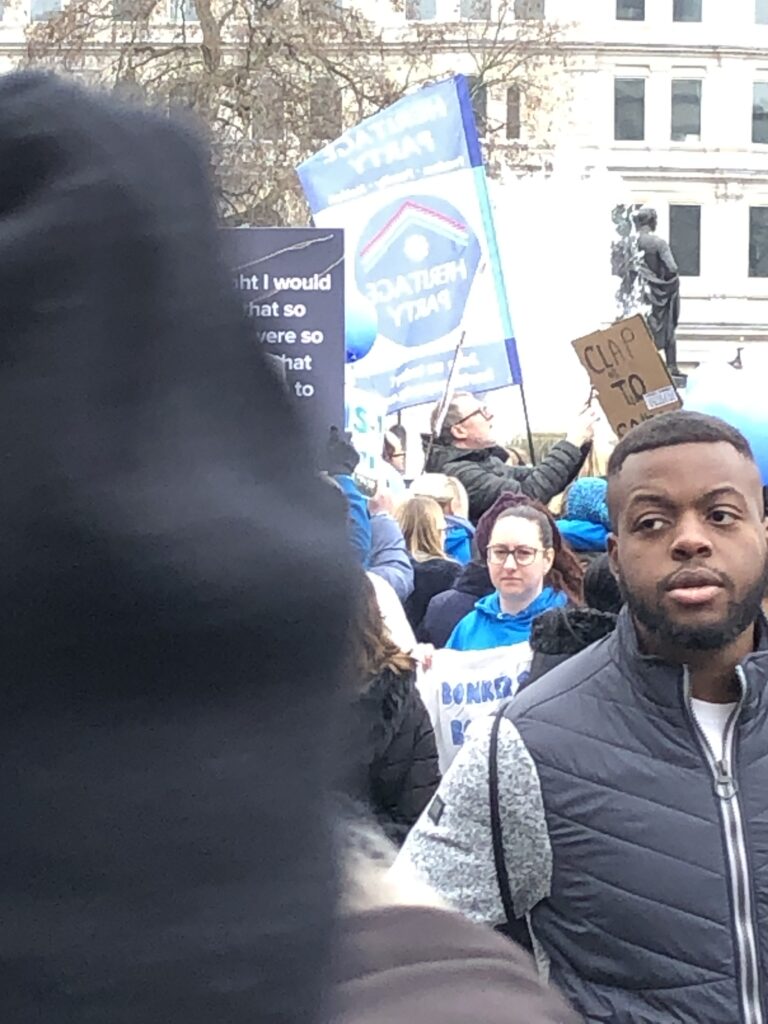
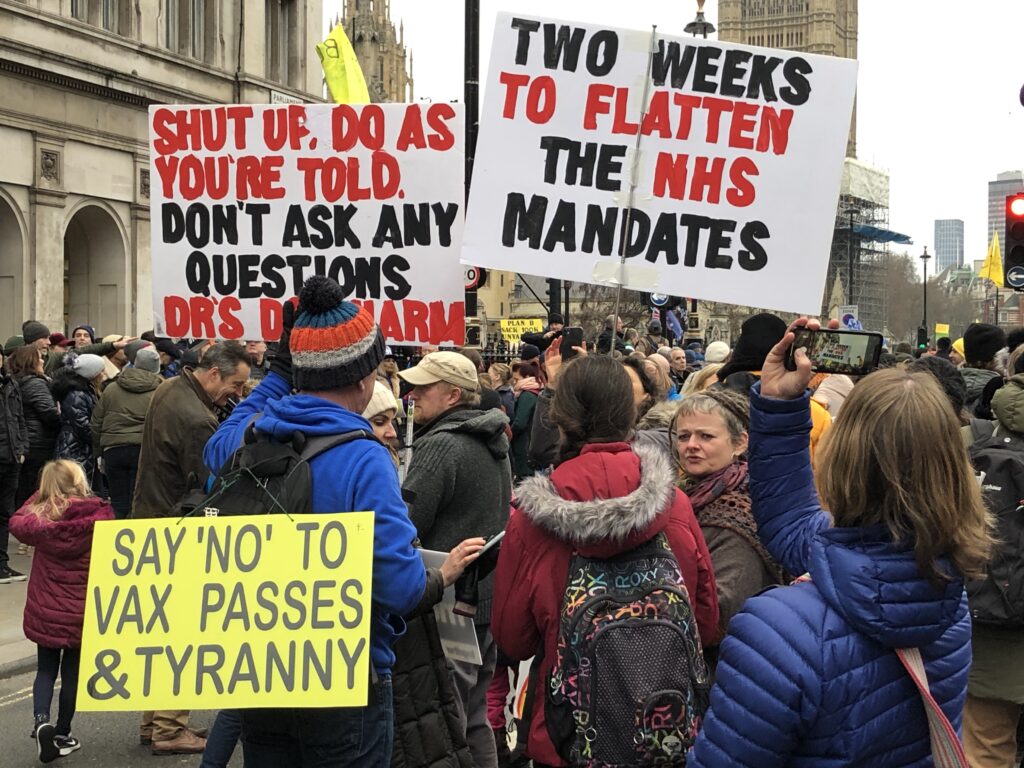
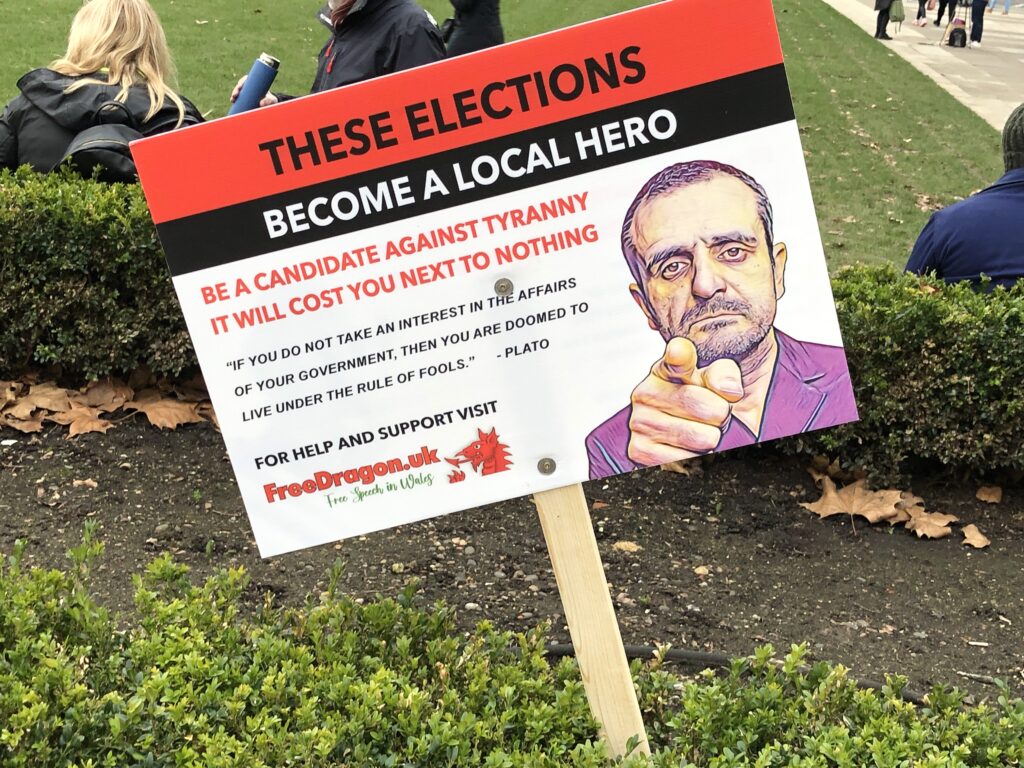
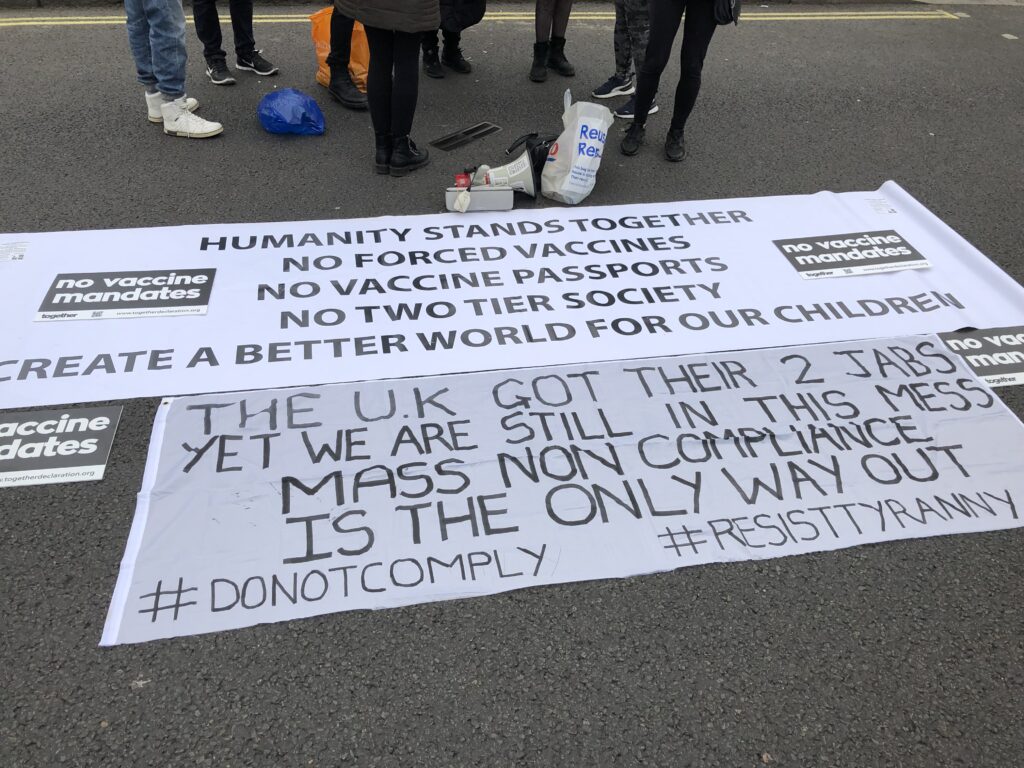
On Saturday 22nd January, the Together Declaration and NHS100K, marched in London against vaccine mandates. There are 100,000 plus health and social care staff in the UK who, it is estimated, will lose their jobs on April 1st 2022. People should be free to take the vaccine or not take the vaccine as they see fit, we should not be coercing people into taking drugs.
With the local elections in May, Maureen will be running in the Lee Green ward in Lewisham.
Maureen thank-you for your time.
“we have a comprehensive manifesto that offers a full programme for Government. The CPA is a growing party and we intend to continue to grow until we are in a position to run the country”
Can you start by introducing yourself and the party to our readers?
I have been a committed Christian for 24 years and an active member of the Christian Peoples Alliance since 2015. Motivated by the desire to see traditional values once again the norm in our nation I joined the CPA to stem the tide of the erosion of Christianity from our culture, in much of which the government has been complicit. I desire to see Christians in all levels of government, but not just individuals scattered amongst the current main stream parties but united under one banner: the Christian Peoples Alliance.
The Christian Peoples Alliance seeks to demonstrate God’s love and God’s holiness and truth in the political world. Our core values are promoting marriage and family stability, upholding the sanctity of life from conception until natural death, supporting persecuted Christians worldwide, caring for the poor and needy and fighting crime. In this way, we believe we are proclaiming the Lordship of Christ.
In addition we have a comprehensive manifesto that offers a full programme for Government. The CPA is a growing party and we intend to continue to grow until we are in a position to run the country. The first step towards this is to have the best manifesto of any political party and we believe this is now in place.
“Most Lewisham residents are trying to figure out how to look after their families in this high inflation economy. Climate change I can assure you is not on the shopping list!”
What do you think are the big issues for the council to tackle in Lewisham?
One of the biggest issues in Lewisham is the housing crisis, and the current Labour council failure to deliver on affordable homes. The current waiting list is 10,000 residents registered with the council, so far Labour have approved a mere 1,000 new homes, a drop in the ocean! The Balfour Gateway Development which commenced in 2013 and is due for completion in 2023 has so far produced zero affordable homes. 362 private rented homes have been delivered with a total of 649 by completion, great deal for Lewisham Council poor deal for Lewisham residents. In addition to which Lewisham’s Labour Council want to become a sanctuary council, to add to the housing crisis. Having an open door policy particularly during the Afghanistan crisis caused by the illegitimate Biden administration in the US. The CPA are all for helping the vulnerable but not at the cost of local residents that have been waiting on the housing list for years only to be unfairly overlooked.
Another issue is the waste of money on the so called climate emergency that does not exist. We should not be spending one penny on reducing carbon emissions. There are enough measures already in place to extract a carbon tax out of motorist: congestion zone for instance and now Ulez. The Mayor Damien Egan has stated that “the climate change emergency is the most serious challenge facing Lewisham”, sounds like a fake news media talking point which has no basis in reality. Most Lewisham residents are trying to figure out how to look after their families in this high inflation economy. Climate change I can assure you is not on the shopping list!
“The CPA’s vision for Lewisham is firstly to have more section 106 agreements with developers that will provide much more affordable homes and wider benefits for Lewisham residents”
More broadly how would the CPA like to see Lewisham change over the coming years?
CPA would like Lewisham residents to be persuaded to look beyond the Labour Party and consider another party hopefully the CPA. Lewisham is considered one of the safest Labour seats in the nation, all of the constituencies in this borough have held by Labour for decades it is time for a change.
The CPA’s vision for Lewisham is firstly to have more section 106 agreements with developers that will provide much more affordable homes and wider benefits for Lewisham residents. Ensuring that homes built are energy efficient. In an area where there are a significant number of empty houses if these cannot be brought back into use we will look at redevelopment to improve and invigorate an area. This will sometimes be painful in the short term but will always have long term benefits. We will also seek to guarantee free emergency night shelters with a free meal for anyone who would otherwise be sleeping rough, with the offer of affordable move-on accommodation and practical help with immediate job seekers allowance and finding work. No one should be left hungry and out in the cold.
We would like to see the 12 billion in benefit cuts delivered by the last Tory government restored, this will be funded by a turnover tax on large corporations such as Facebook, Starbucks and Twitter. This will improve the lives of thousands of Lewisham residents who have been greatly impacted by the poorly implemented universal credit.
We would like to see more devolution or subsidiary where decision making should be give directly to the people at the most local level possible. There is currently too much centralised power which is dangerous and undemocratic.
The CPA would like to strengthen families and marriage in Lewisham, wherever possible we would encourage local authorities to honour Sunday as a day of rest and recreation, make available free of charge counselling and treatment for drug and alcohol addiction, in order to help individuals and families cope with, and overcome, the terrible pressures that come through drug misuse, we would provide more respite centres for families experiencing breakdown and easy access to counselling and training in child rearing free-of-charge to anyone who wants to commit to participating in it. One of the results of strengthening marriage and the family will be less sickness and therefore less pressure on Lewisham’s NHS services. However, the policy of the CPA is to use resources consequently freed up to improve and expand treatment, not just to save money.
The CPA would like to see Lewisham handle waste and recycling more efficiently for instance; recycling and waste processes should always be put out to tender, but local authorities may bid to provide these services. This ensures the greatest efficiency and value for money, encourage research into far greater use of recyclable materials (for example, making roads out of plastic), Consult on ways to encourage creative recycling – particularly with electrical products, appliances and furniture. For instance, charity collection points at recycling centres for books, clothes, and working electrical appliances.
Where councils are responsible for public libraries, we will ensure there is proper and effective discussion and democratic control over groups who are invited to do displays and/or talks there. We consider ‘drag queen story hours’, delivered by men dressed up as women and targeted at very young children, to be completely inappropriate. Only qualified children’s entertainers with age-suitable material should be invited to lead public events for children, not adult entertainers which ‘drag queens’ normally are. If Councils are keen to be “inclusive” then they should include Bible story hours for children. The CPA would oppose Lewisham council funding and support for LGBT Pride marches and events, and oppose the display of associated flags and symbols on public buildings and places. The CPA vision for Lewisham is where its residents can prosper and not be infringed upon by an overbearing intrusive local government.
“I would like to see the Leegate shopping centre in Lee Green finally redeveloped”
What would you like to see the council do for Lee Green ward?
I would like to see the Leegate shopping centre in Lee Green finally redeveloped. This site now owned by Galliard’s is going to be a mix of housing, retail and leisure. This is being held up by local councillors trying to reduce the height of some the blocks and seeking additional funding for more resources.
If people want to get involved how can they help?
Please support me in my ward of Lee Green and go to our website and sign up to get our newsletter and become a supporter or if you wish become a member of the party.
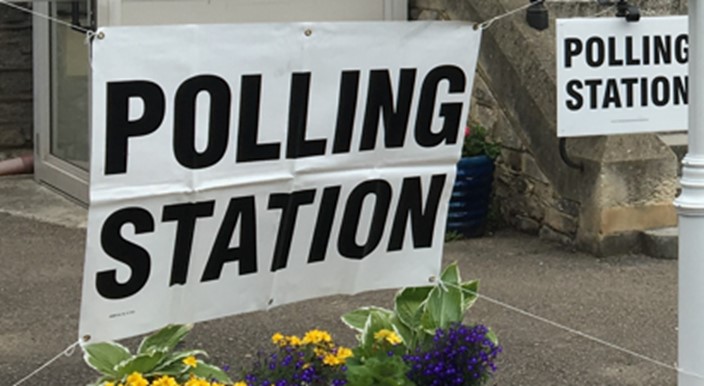
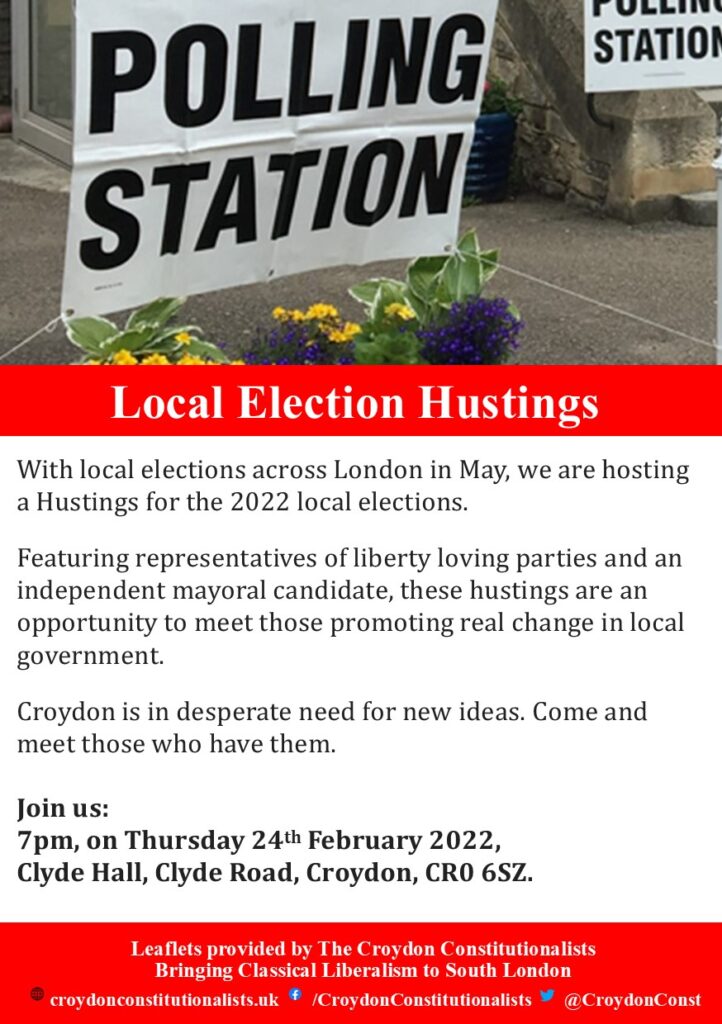
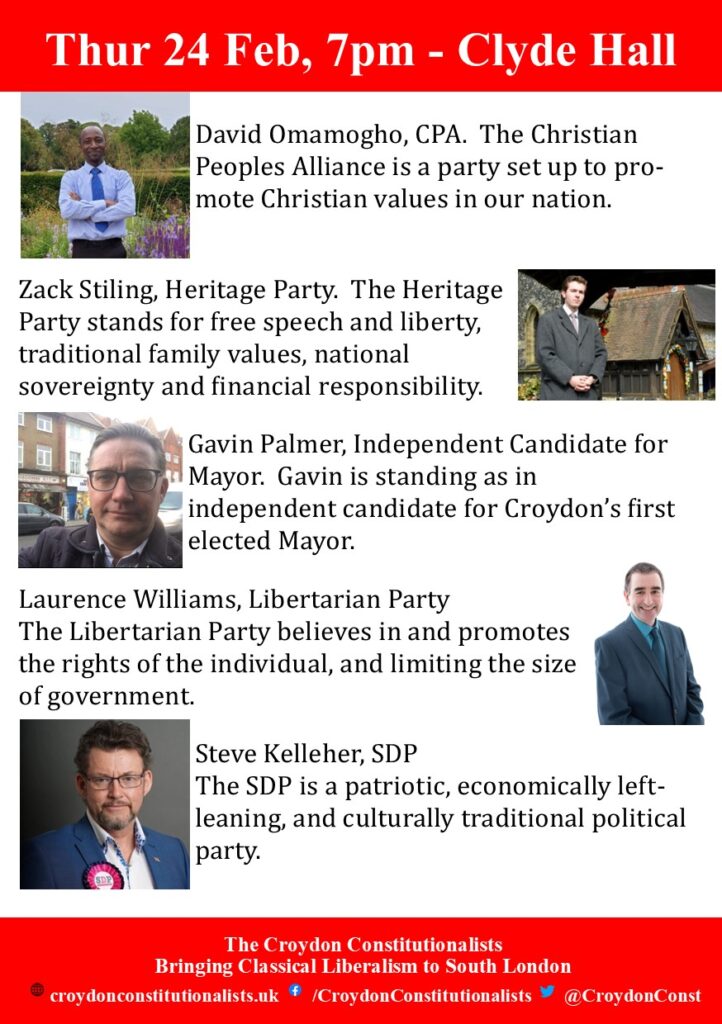
If you want change, vote for change. With local elections across London in May, the Croydon Constitutionalists are proud to host a Hustings for the 2022 local elections.
With representatives of liberty loving parties and an independent mayoral candidate, these hustings are an opportunity to meet those promoting real change in local government.
Following the issuing of the Section 114 notice and de facto bankruptcy, Croydon is in desperate need for new ideas. Come and meet those who have them – If you want change, vote for change.
Join us from 7pm, on 24th February 2022, at Clyde Hall, Clyde Road, Croydon, CR0 6SZ.
The Libertarian Party believes in and promotes the rights of the individual, non–interventionism, laissez-faire capitalism, and limiting the size and scope of government.
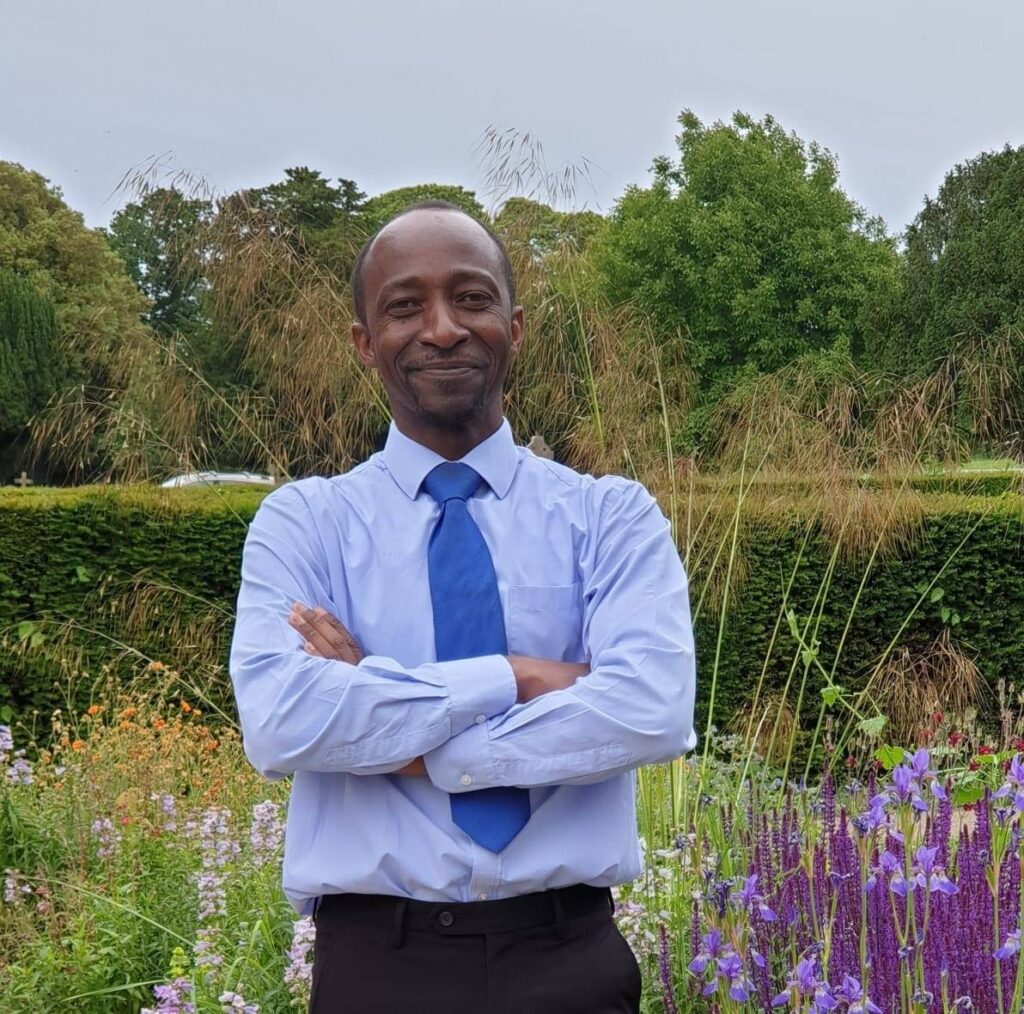
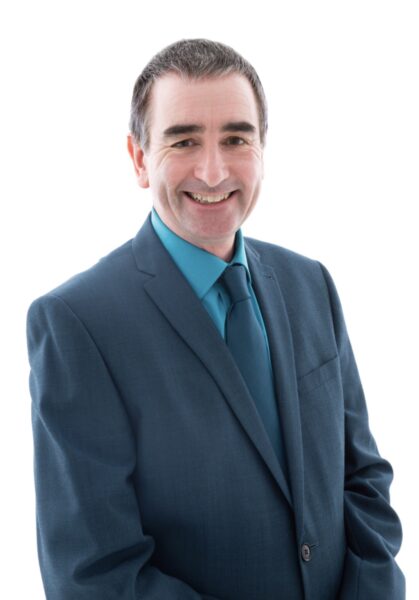
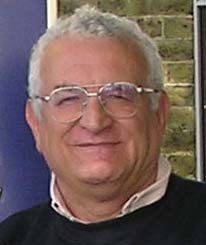
Laurence is the London and South East Coordinator for the UK Libertarian Party and has stood in multiple General, European, Welsh Senedd and local elections.
We are joined by Tim Duce, as we discuss the impact of Plan B and Boris’ prospects of survival after Partygate along with some potential successors. We then chat about the newly launched True & Fair Party of Gina Miller.
“unfortunately the pandemic has just fallen into that wider culture war that Brexit was part of” Mike
“those backbenchers were ultimately defeated on most of this thanks to the coalition government with Sir Keir Starmer but this might be the thing that the last straw” Tim
“the consensus perhaps on the podcast is the Boris is going to have to go, but whether it’s next week or the may local elections time will tell” Dan
On lockdown: “it’s got to the point where it’s actually had an effect on our culture, and the creative industry and certainly the hospitality industry I think they’re gonna suffer longer” Tim
Laurence Williams is the new London and South East Coordinator Designate for the UK Libertarian Party. Laurence lives in Sidcup and has stood in multiple local elections and the 2010 General Election. We catch-up with Laurence about his new role.
Laurence, thanks for your time.
Can you start by introducing yourself to our readers, and tell us how you became the Designate London & South East Co-ordinator for the Libertarian Party?
I’ve been ‘Bitten’ by Libertarianism after many years in and out of the political wilderness. This lead to me re-joining Libertarian Party recently. This was just in time to be put forward for the vacant role of London and South East Coordinator, which I have accepted.
“I was allowed free – rein to be myself at the hustings in Erith & Thamesmead constituency, exactly what Libertarianism is all about”
You’ve stood in 3 General Elections, 2 Welsh Senedd races, 2 x European elections, and Local elections over the past 32 years. Do you have any enduring memories from previous campaigns?
My favourite election was the 2010 GE for which I was allowed free – rein to be myself at the hustings in Erith & Thamesmead constituency, exactly what Libertarianism is all about, no whip for us! It was a great night, and one voter couple wanted to hire me as a stand – up comic!
We appear to finally be moving out of the period of lockdown. What would you like to see happen to get the country back to a form of normal?
Stop the lockdowns and media scare stories! And stop the useless vax passports!
“‘Libertarian’ to most uninterested ears sounds like ‘lib dem’ or ‘liberal’, and people can’t differentiate easily. Key messages from us are: Small govt, small tax, Large Truths!”
How do you feel the Libertarian message in London goes down, and what do you see as the key messages for the capital?
The Libertarian Voice is comparatively small in London, bought about by a general ignorance and disillusionment in our populace; ‘Libertarian’ to most uninterested ears sounds like ‘lib dem’ or ‘liberal’, and people can’t differentiate easily. Key messages from us are: Small govt, small tax, Large Truths!
Any thoughts you would like to leave our readers with and how can people get involved.
For anyone who fancies having a go at politics, I say, give us a try, you don’t know until you do, you may even enjoy it! To get in touch, it’s either the LPUK website or myself on Facebook via the Libertarian Party London and South East branch page.
“The increasing threat of Russia(Ukraine) and China(Taiwan) will have to be seriously addressed by a global cohesive Western response led by USA to these real threats from the East”
Political campaigner and charity founder John Broadfoot.
Prediction: Boris will still be PM at year end because people have short memories and if Boris is seen to have managed the exit from Covid well in 2022 medically/commercially (by design or sheer luck) then people will rank his Covid statesmanlike performance as much more important long term than Boris’s personal problems.
Prediction: Keir Starmer still lacks charisma and real policies, so Labour may not even have any poll lead at all by year end if Boris Covid exit goes well compared to EU etc. and there will be calls for his replacement
Prediction: The increasing threat of Russia(Ukraine) and China(Taiwan) will have to be seriously addressed by a global cohesive Western response led by USA to these real threats from the East.
Prediction: Despite fantastic campaigning by the Croydon Conservatives , the incompetent , morally and economically bankrupt, Croydon Labour Council undeservedly, unfortunately, will be re-elected because antics of Boris at UK level not well received locally if Covid exit goes badly wrong. . I HOPE NOT !
Prediction: More terrible environmental disasters, bigger loss of life – realisation that COP 26 not enough and new COP 27 summit by year end or early/mid 2023.
Wish: I expect we will not finish off the Covid virus completely until vaccination is compulsory as France /Italy are seriously considering (except for bona fide medical grounds). As this will not happen(until 2023 earliest ) I would like to see big incentives for those who vaccinate e.g. greater freedom of movement and completely free NHS and by contrast big penalties for those who won’t vaccinate e.g. limited movement(families, pubs/clubs/shops/cinemas/theatres) and limited access/longer waiting times to the NHS or paying to use parts of the NHS( to cover cost of increased protection for NHS staff.)
Wish: Our febrile left wing, Remain, out of control biased UK media brought under bias balance control and more accountable to tell the truth and not make up stories if there is no real news. Not going to happen !
Wish: I would like to see Scotland given another Independence Referendum because following basic Brexit principles being all about bringing democracy back from Brussels to London, so I think
EVERY country in the world should be independent and self-governing – but it won’t happen of course!
“I think that the high street will start to make a comeback, not in the way that we know it and it will really depends on how local councils support them. However, I think that we will see much smaller much more specialised shops return to the high street”
Prediction: I think that the high street will start to make a comeback, not in the way that we know it and it will really depends on how local councils support them. However, I think that we will see much smaller much more specialised shops return to the high street, possibly coupled with coffee shops, bakeries and cafes which make the high street a place to go to for something specific where you can grab a coffee and cake with friend at the same time. The massive department stores will be consigned to the history books and the high street will become much more agile place, fuelled by councils trying to get people to use public transport and the ever increasing cost of car ownership.
Prediction: I think the way we work will change and there will be a very big shift in the employment market. I think the mentality of workers follows a Gaussian distribution with the ten percenters at each end. The ten percenters will drive change, at one extreme end there is the ten percent with the view of “that’s it, no one will ever go back to the office ever and I will be working at home for the rest of my life, everyone thinks this is wonderful and the office is finished”. The other end is the ten percenters that think at some point this year everyone will be mandated to be back in the office 5 days a week full time and that’s that, home working is a fad and the sooner it’s over the better. Most companies will be somewhere in the middle with a mixture of home working and office working (attempting to keep the 80% happy). The ten percenters at either end will readily jump company when they realise their vision is not going to pan out. I think we will start to see a change in the way we value employees with people that do stuff that matters (like lorry drivers, shop workers, etc) being more valued. There will be a massive backlash from a small group of people who do jobs which are currently considered high status, but in the grand scheme of keeping a society going don’t do much of benefit. The perceived status of these jobs will be reduced and the people in these jobs will naturally be upset. There will be a lot of tension from this, but I think it will be a good change, as we start to value people who actually do the work that keeps the world turning.
Wish: What do I hope will happen. Well I hope that we return start to return to an age of reason. Most people are intelligent enough to realise that no one person or small group can conceptualise all risk that exists in the world, the dictatorial policies over Covid we have seen have been massively damaging. I would like to see a return to a time where information is reported and people make their own decisions. Most of the key discoveries and inventions came from people using their own reason and we need to encourage that. The big parties are utterly clueless on this issue and Britain’s key to success is people working in sheds innovating because they enjoy it and they are free to use their own minds. This applies to things like Covid too, 99% of people will make sensible decisions given full access to information. Climate change and pollution can be addressed with the same answer, empower people with the freedom and the information to make the world better and they will…. it just might not be the exact world that those in power imagined.
“Too many working class and small businesses have been harmed by Covid and for what? There are no real systems in place for all the mental health, existing and new cancers”
Prediction: Covid 19 will continue throughout 2022 with restrictions lifted in the summer but with new variants by autumn ? . The government will continue to use their new found powers on our freedoms and liberties.
Prediction: There is no doubt the country, especially small business and the working classes are going to suffer badly in 2022. With inflation, higher taxes, green taxes, VAT, increase in National Insurance, energy price increases, job loses and full digital currency all leading to serious mental health issues. Remember, these are the unsung heroes who kept the infrastructure of this country going for the last 22 months during Covid. Digital currency will be another way to control us by cutting off our access to money.
My wishes. Too many working class and small businesses have been harmed by Covid and for what? There are no real systems in place for all the mental health, existing and new cancers, heart problems, diabetes and millions of cancelled operations. If the NHS cannot cope every year with the flu. How does the NHS catch up with the millions who may die from lack of diagnosis and or treatment? The government need to cut a lot of these taxes, stop the NI increase, cut VAT as promised and bring in the armed forces medics to help with operations and start reducing the waiting list all over the country.
I wish in 2022, that the government pay the Waspi women their pension backdated to 60. I wish that the government do not vote to cut the triple lock, not cut prescription charges to the over 60’s and not cut the bus pass. Pensioners in this country are on one of the lowest pensions in Europe. Over 60’s are being hit particularly hard. Don’t put them into severe hardship.
There are people suffering financially and with health issues including death. The government need to cut funding else where and start looking after the people suffering in this country. Equality is suppose to matter in this country. All four countries who make up the uk should be equal and all citizens within the uk should be equal too.
“What I would like to see happen: the destruction of the CCP in China who are enemies of freedom and the Judaeo Christian West. The release of the Chinese people from their totalitarian oppression”
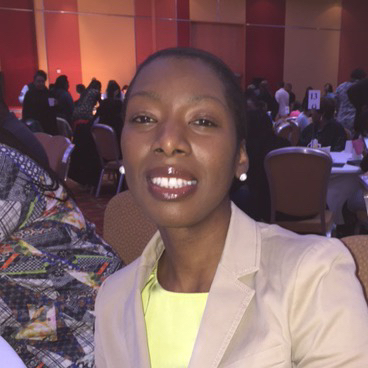
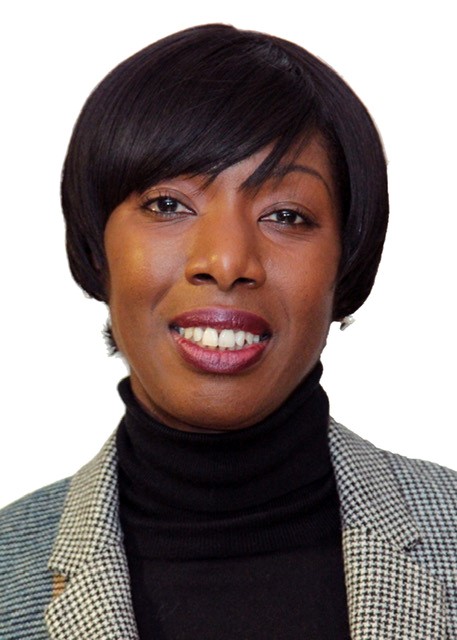
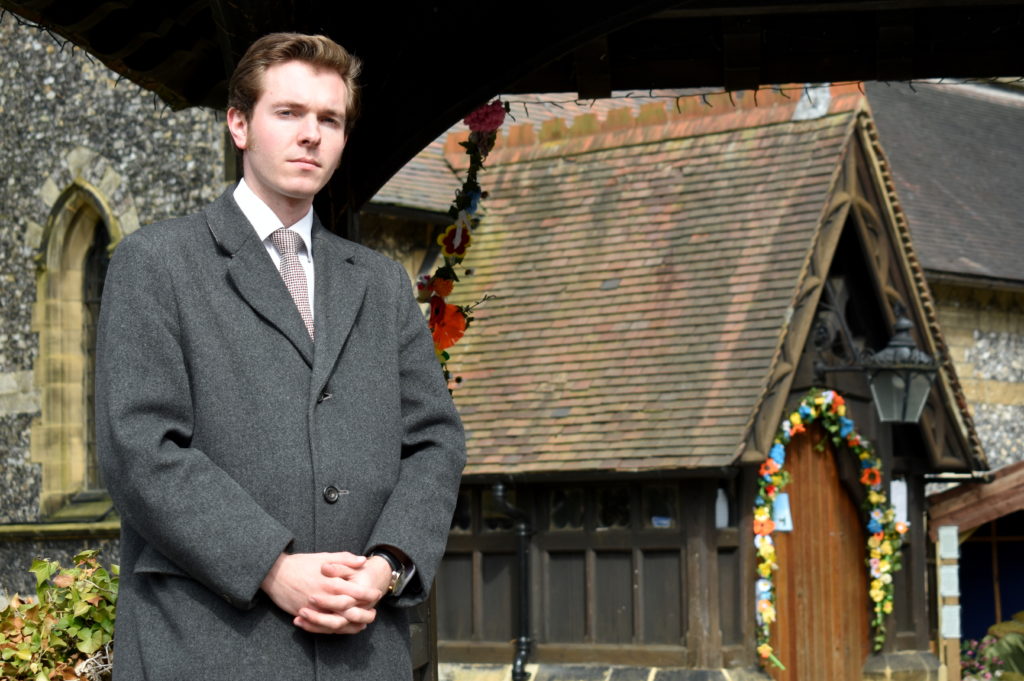
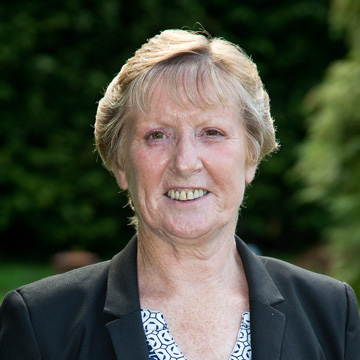
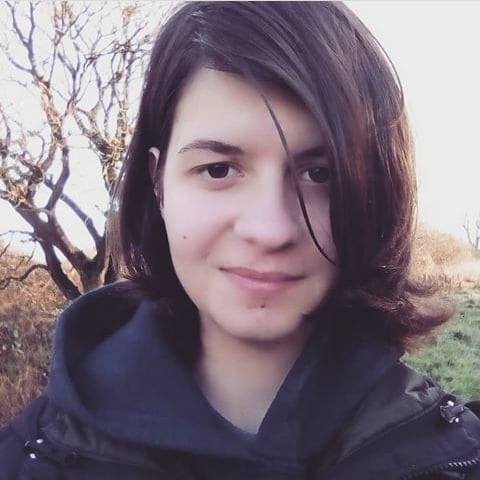
Maureen Martin of the Christian Peoples Alliance (CPA). Maureen has been London Assembly, Parliamentary and Council candidate for the CPA. You can follow Maureen on Twitter.
Prediction: The 2020 Nov 3rd Presidential election be proved to be completely fraudulent and stolen by the Democrats. Joe Biden exposed as illegitimate and the entire administration removed from office.
Prediction: End of the fake pandemic and the entire thing exposed to be the scam that it is. The main stream media exposed as responsible for peddling fear, misinformation and outright propaganda.
Wish: What I would like to see happen: the destruction of the CCP in China who are enemies of freedom and the Judaeo Christian West. The release of the Chinese people from their totalitarian oppression.
“The main positive we have been sold, as a country with nationalised healthcare, is the idea that no one gets left behind. The pandemic has proved that this is not the case”
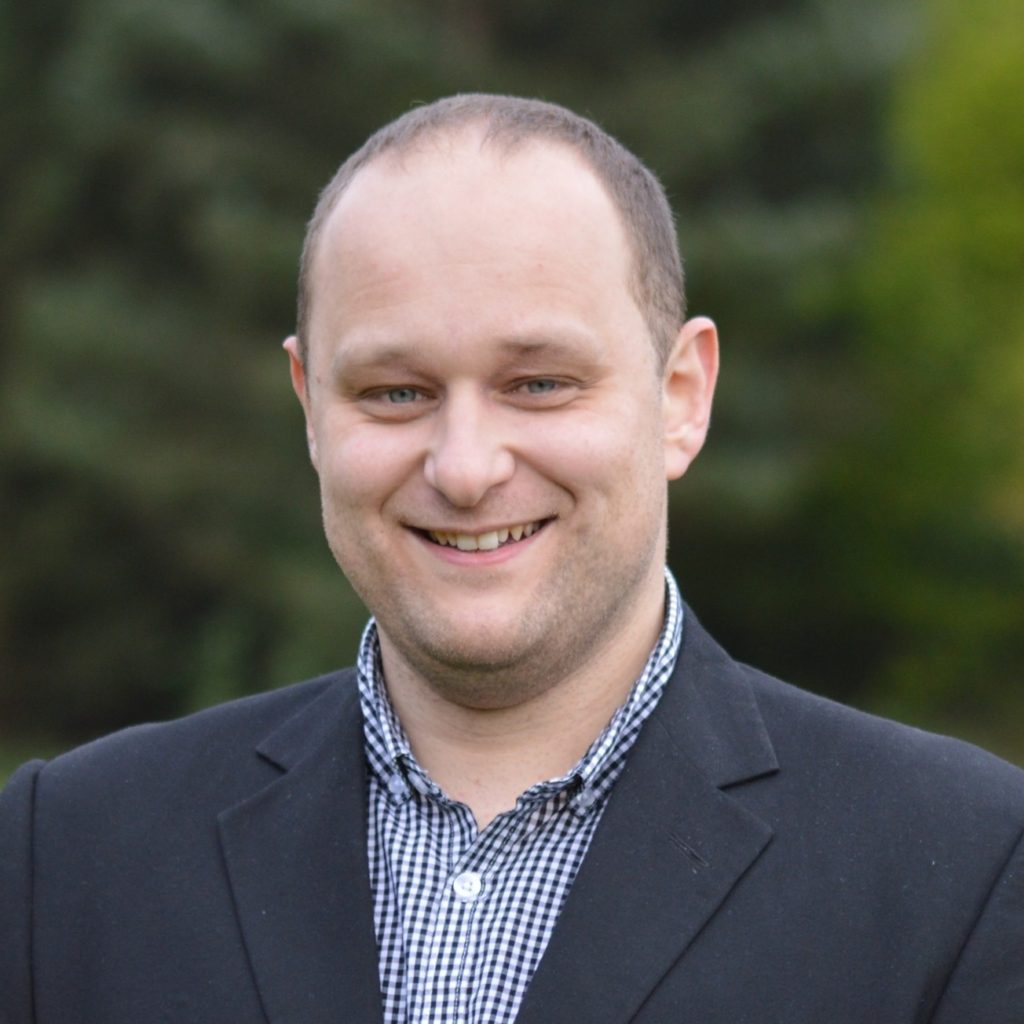
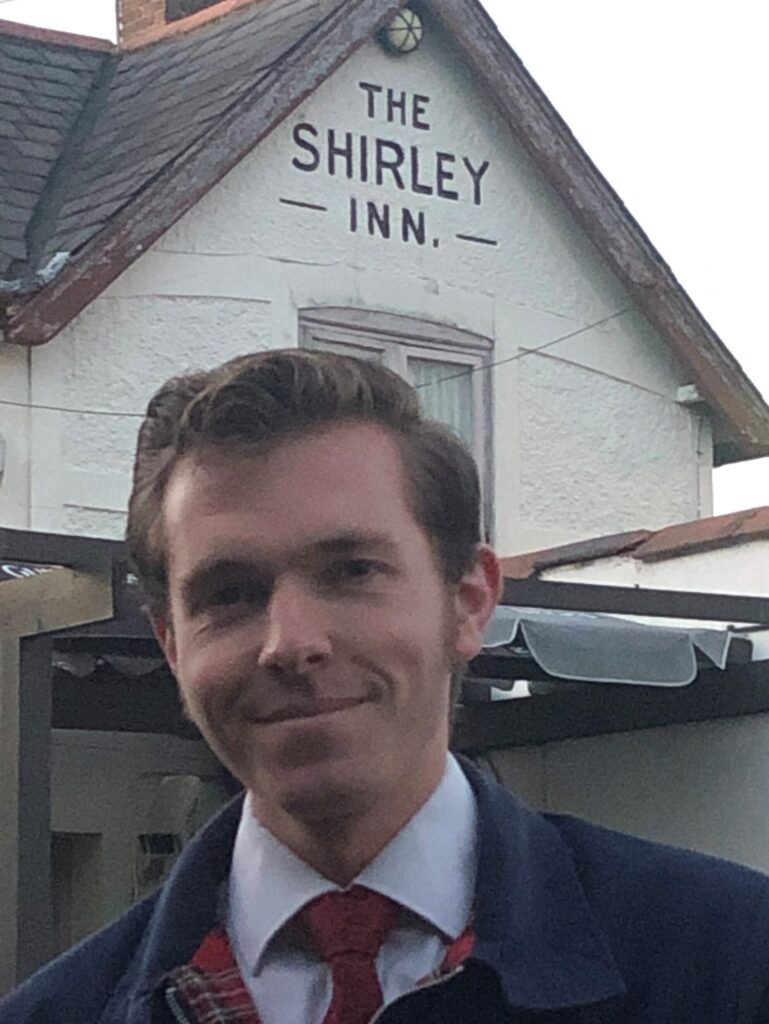
Libertarian Sofia Svihurova. Sofia can often be found at London Agora meet-ups.
Prediction: I think we will be getting away from Covid more as we progress throughout the year, but I do think that people will end up self-policing to an extent, by still wearing masks in crowded spaces, especially in and around London.
Prediction: I think Brexit will also make a comeback as the (old) new boogie man after Covid dies down. I am sure a lot of issues caused by the pandemic will be made out to have actually been caused by Brexit, especially in Left-wing circles and media.
Wish: I hope to see some restructuring of the NHS. The pandemic has really highlighted the need for some radical changes to our healthcare system. Of course, Covid19 was devastating for healthcare systems across the world but that’s not to say we couldn’t do better.
So many people have suffered due to their life saving treatment being postponed or cancelled due to the system being overwhelmed. Mental health has also been getting worse due to vulnerable people being isolated even more than they usually would have been.
The main positive we have been sold, as a country with nationalised healthcare, is the idea that no one gets left behind. The pandemic has proved that this is not the case and that “saving the NHS” as an institution is more important than saving real people, and I hope this is something the authorities will reflect on and work towards changing.
“he will keep his shadow cabinet out of the news as much as possible but will be regularly embarrassed by his lunatic wing of Student Grant’s and Grantina’s”
Predictions: Johnson and Sturgeon will both survive the year in office but will both be seen as lame ducks, both awaiting job offers that never come and sustained by the absence of any alternative within their party that is not equally discredited.
Labour will lead the UK polls all year due to Starmer’s skilful strategy of offering the same platform as the Tories but run by someone – anyone – else. To this end he will keep his shadow cabinet out of the news as much as possible but will be regularly embarrassed by his lunatic wing of Student Grant’s and Grantina’s such as Nadia Whittome. Looking electable in the UK will begin to raise Labour’s polling in Scotland by the end of the year and this in 2023 is what will torpedo the SNP
The genuine opposition, such as it is, to the governments will come from the Twitter accounts of a new raft of anti-establishment celebrities, utterly out of tune with the establishment celebrities. The likes of Matt le Tissier, Geoff Norcott, David Bellamy, Neil Oliver, and one for your Croydon readers to become aware of, Josh Taylor, who will retain his world Light-welterweight belts before moving up to Welterweight and becoming Welterweight champion. In between giving the government feedback like this: https://www.joe.co.uk/sport/boxer-josh-taylor-targets-sturgeon-with-snp-fascist-state-tweet-309429
“Perhaps by 2023, we will see a sensible and informed candidate rise from the back benches with a shocking new idea… ‘prescribe ivermectin, save a fortune and get the country back to work.'”
Predictions: Having noted that the government is in confusion:
1) Passing laws which cannot be enforced – mask wearing.
2) Passing laws which are counterproductive – Flow tested unvaccinated people (including those with natural immunity) will not be able to work for the NHS but untested people who may have been vaccinated months prior and so have little or no immunity will.
3) Reeling from a massive revolt.
A leadership challenge is inevitable. Unfortunately, the main contenders are Rishi Sunak and Liz Truss. Since both of whom are blindly repeating the same ‘get a jab’ rhetoric,
they will inevitably meet the same fate as Boris. Perhaps by 2023, we will see a sensible and informed candidate rise from the back benches with a shocking new idea… ‘prescribe ivermectin, save a fortune and get the country back to work.’
We can always rely on the government to do the right thing when they have exhausted all other options. 😉
“Decades of money printing are finally catching up with us and the effects could be devastating or at the very least continue to stifle already poor economic growth post Covid”
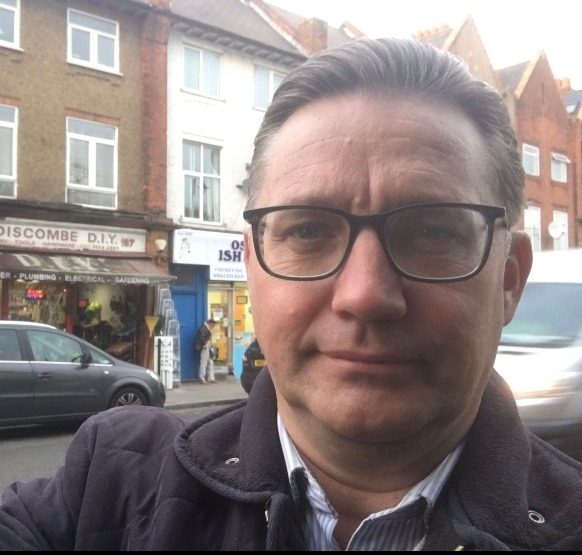
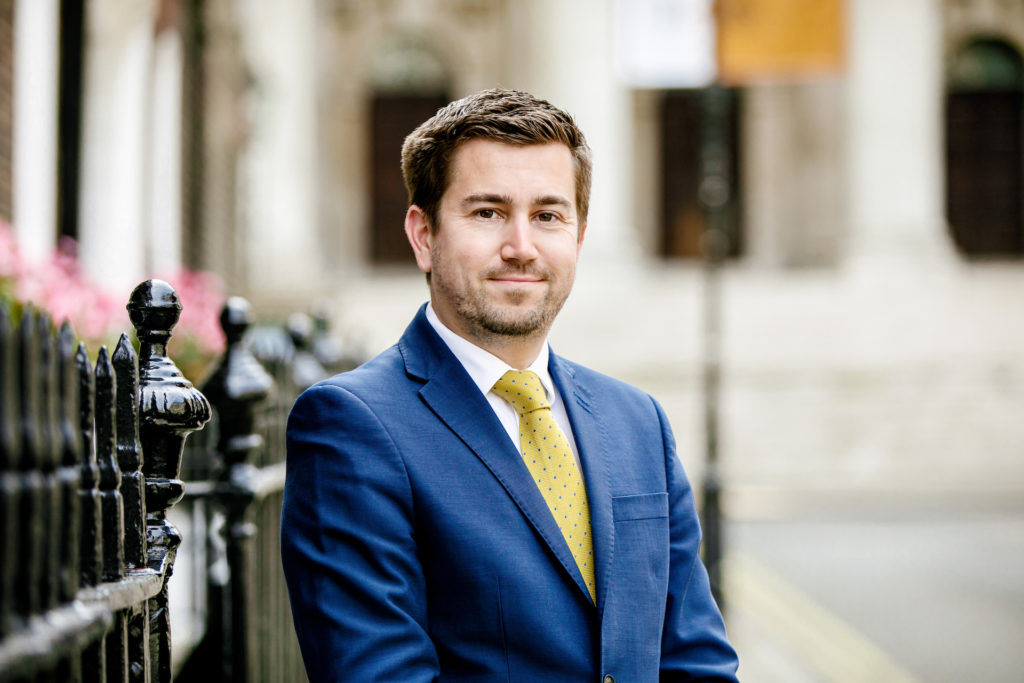
Harry Fone, Political Campaigner and Think-tanker, responding in a personal capacity. Harry writes regularly for Conservative Home.
Prediction: Inflation will continue to surge, further worsening the cost of living crisis. I suspect the Bank of England will be hesitant to increase interest rates but they’ll have no other option. Decades of money printing are finally catching up with us and the effects could be devastating or at the very least continue to stifle already poor economic growth post Covid.
Prediction: This should be the year that we finally put covid behind us. It seems likely that as the virus mutates, its effects will be no worse than flu or perhaps even the common cold. Hopefully, governments around the world will realise this and we can return to normality. The rise of “Papers please!” societies both at home and abroad have been an affront to liberty.
Wish: It probably won’t happen but I would like the government to deliver some much-needed tax cuts for millions of Brits. You cannot tax a nation into prosperity. Slashing a range of taxes, especially income and both types of national insurance would get the economy booming again.
“the motorist will come under further attack….squeezing money out of citizens while allowing MPs and Councillors to assume a false moral high ground”
Prediction: the motorist will come under further attack. Motorists living or working in London have seen the cost and inconvenience of living rise enormously during 2021, thanks to the Ultra-Low Emissions Zone and the increased hours of operation of the Congestion Charge Zone. Similar schemes already in place in Birmingham, Leeds and Brighton are to be joined in 2022 by the Manchester and Bradford Clean Air Zones. Arbitrary charges cause all manner of problems for residents, visitors and local businesses, but they will remain the go-to government policy all the time they prove effective for squeezing money out of citizens while allowing MPs and councillors to assume a false moral high ground.
Wish: England becomes the new Sweden. It’s been pleasantly surprising to see England survive the Christmas period reasonably unscathed by Covid hysteria, though the existing mask and vaccine mandates remain unacceptable aberrations. By staying relatively calm and composed compared to other countries, England has shown the recent bout of fearmongering to be a total sham and will hopefully encourage other countries to learn by our example, as they should have done with Sweden. Then, maybe the Prime Minister, his Cabinet and the Opposition would humbly apologise for the damage done by their authoritarianism – but that might be a wish too far…
Wish: the big parties are held to account in the local elections. Numerous traditional conservatives are alienated by the Blairite Tories and countless Labour voters understand that Labour no longer represents workers, but they still see elections as a contest between the lesser of two evils. We are fortunate now to have the Heritage Party, SDP, Reclaim and Reform Parties, which all offer a sensible and viable alternative to the mainstream. We’ve got a lot of work to do, but if we co-operate we can seriously threaten the Lib/Lab/Con lost causes, and at the very least frighten them into taking their responsibilities to the public seriously.
“My want for 2022 is the breakup of major corporations under existing competition laws. Google, Facebook, Twitter, BlackRock, Vanguard, etc. should all be broken up like Standard Oil was made to breakup”
Oliver Bielski, the co-founder of Enact, a new political party that endorses Direct Democracy. Oliver writes in a personal capacity.
Prediction: The ‘othering’ of the unvaccinated will continue apace in 2022, with a new varient not far away. Despite reaching herd immunity quite some time ago, there will NEVER be an antibody test available to get your Healthpass. It’s vaccination or isolation I’m afraid. This will leave 25% vs 75% in perpetuity, and the mass formation psychosis continues in the name of profits. Who knows where that leads but that will be a 2023 or 24 prediction…
As more of a desperate hope than a prediction; I see the only way out of this to start vaccinating every 3 months with Boosters, including children who don’t need or want it. The only way out is to drive adverse events up sky high to awaken people. And… when enough Footballers and Cyclists have collapsed, enough Ambulances have been called for heart problems, enough children have developed myocarditis and everybody knows somebody who’s been affected – Maybe, just maybe, people may see the vaccine as an over-reaction to a disease that can be treated simply and immensely effectively at home, with already approved medications.
Wish: My want for 2022 (that is never going to happen) is the breakup of major corporations under existing competition laws. Google, Facebook, Twitter, BlackRock, Vanguard, etc. should all be broken up like Standard Oil was made to breakup – It’s high time this happened. No single company should have $10 Trillion AUM!!! That’s more than the GDP of France, UK and Germany Combined, lol. As I say, desperately needed but never happening.
“this pack of lies will grow too heavy for even the mainstream media to maintain, and we should, please God, see the total collapse of the whole house of cards long before the end of 2022”
Prediction: 2022 will be dominated by the increasingly catastrophic consequences of the mass vaccination programme, as well as the fallout from most of the other oppressive and counterproductive COVID policy measures enacted over the past two years. Some of the world’s leading scientists in the field, including Dr Geert Vanden Boshe, Dr Mike Yeadon and Dr Robert Malone, have repeatedly warned of the adverse effects the COVID injections will have and are having on people, including a rise in autoimmune diseases and the destructive impact on the population’s natural immunity.
The decision by our Government to manipulate and coerce the nation into having three doses of this experimental medical product will prove to be one of the greatest crimes against humanity we have ever known. It will result in unprecedented strain on the NHS, if not its total collapse, as well as severely impact virtually every industry and sphere of the economy which will face crippling labour shortages due to chronic illness.
The unvaccinated will continue to be used by the establishment as convenient scapegoats for the failure of the shots, as well as their other scams, possibly resulting in further oppressive and counterproductive measures. However, this pack of lies will grow too heavy for even the mainstream media to maintain, and we should, please God, see the total collapse of the whole house of cards long before the end of 2022.
The growing questioning of the Government’s whole approach to COVID, at least of any further proposed lockdowns, is a welcome sign, but such healthy scepticism must increase substantially over the coming year if we are to avoid the complete fall of what is left of western civilisation. If so the Great Reset can still hopefully be avoided and we can start to reclaim politically the precious God-given freedoms we have thrown away.